


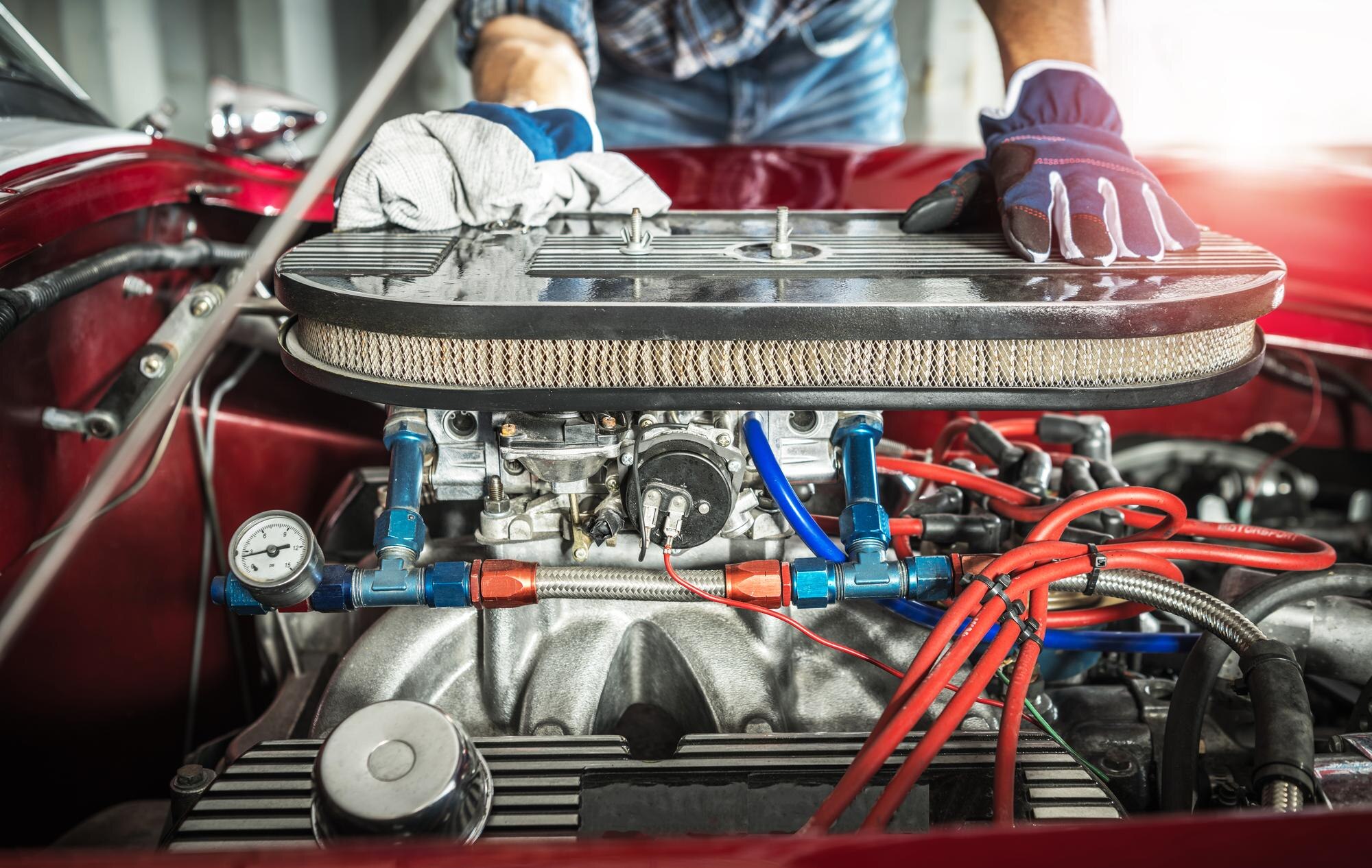
A Chevrolet badge can sit above a Mercedes-Benz diesel, giving little indication of the machinery beneath it. Among cars in Cuba are American classics with original bodies, replacement engines, adapted transmissions, and locally made parts. What you see outside need not match what powers the car. Soviet-era vehicles and newer imports share everyday traffic with these rebuilt classics.
In This Article
- Why So Many American Cars Remain
- How to Recognize the Best-Known Models
- What Keeps Them Running
- The People Behind the Paintwork
- What Else Is on the Road
- How to Arrange a Classic-Car Ride
- Key Takeaways
- Frequently Asked Questions
- Look Beyond the Classic Bodywork
Why So Many American Cars Remain
For roughly 50 years, starting near the beginning of the twentieth century, American cars arrived in Cuba. Strong trade ties with the United States put Chevrolet, Ford, and Buick on everyday roads before the 1959 revolution. Families traveled in sedans, while businesses and professional drivers used other vehicles for work.
That flow was disrupted after the revolution by changes to Cuban ownership rules and U.S. trade restrictions. In 1962, the U.S. embargo widened, making American vehicles and parts harder to obtain. Repairing a car already on hand became a practical alternative to buying a replacement.
Keeping those cars running can mean reworking something as basic as an engine mount. A replacement engine may not line up with the original mounting points, so a workshop fabricates brackets to secure it. Making each new component fit keeps the old body in use. Imports ended, but repairs went on.
How to Recognize the Best-Known Models
Start with the car’s silhouette, check its trim, and finish with the badge. That sequence helps you identify the original body, not the machinery now working beneath it.
Among the best-known classic cars in Cuba, the Chevrolet Bel Air has several details worth checking from the pavement. Follow the bright side trim back toward the rear fin. The model line evolved, but the 1957 version stands out for its pointed tailfins and broad rear-quarter trim. Two small rocket-shaped ornaments sit on the hood. Bel Airs came in several body styles, from sedans to convertibles.
For a mid-1950s Ford Fairlane, turn your attention to the sweeping side molding that separates the contrasting paint colors. This gives the car’s side a different look from the Chevrolet’s rear-quarter decoration. Check the Ford badges and grille next. Keep the year in mind: the Fairlane’s shape changed considerably over the decade.
Compared with a similar Chevrolet, the Buick Super cuts a heavier, more substantial profile. Its hood-side VentiPorts draw your eye along the front bodywork, while the bold grille is another identifying feature. Those decorative openings and the Buick badge help you recognize the family resemblance, even when the car is passing.
What Keeps Them Running
Chevrolet sedans can run on Mercedes-Benz diesel engines, while other American cars have received engines from Soviet vehicles. Beneath the familiar bodywork, mechanics assemble combinations that the original manufacturers never sold. Others still use their original gasoline engines. The fleet has no single, shared pattern of conversion.
Replacing the engine leaves plenty of work still to do. The mounts must support the replacement, and the gearbox needs to connect to it. Controls must reach their new positions too. When existing parts will not fit together, workshops make brackets and adapter plates to bridge the gaps. Cooling hoses and electrical connections also need adapting. Getting the engine into place is just the start.
The changes can extend beyond the engine: transmissions and electrical systems may have been replaced separately. Some usable parts come from donor vehicles; others are made in local workshops. The label "vintage Cuban cars" better describes the surviving bodywork than the machinery beneath the hood. Whoever repairs the car next inherits this particular mix of parts, not just a factory specification.
The People Behind the Paintwork
The 2015 documentary Havana Motor Club, directed by Bent-Jorgen Perlmutt, puts that workshop labor into focus through Cuban drag racers. Among them is Rey, whose Chevrolet has to do more than look good. Rey’s story shows an old American car as a working machine with a demanding task: competing.
On the track, repairs face a direct test: polished panels do nothing to increase engine power. Nor does a Chevrolet body determine what machinery belongs beneath it. As the racers prepare their cars, the film makes those practical challenges central. Its story rests on the gap between owning an old sedan and keeping it running.
For most working drivers, though, the goal is fares rather than racing results. Their classics can be family possessions, a source of income, or both. Tourist demand for open-top photographs in Havana gives a good paint job commercial value. A breakdown, however, puts even an attractive car out of service. The tourist convertible and the weathered everyday sedan earn their upkeep differently; neither represents a single, shared Cuban car experience.
What Else Is on the Road
Cuban cars tell a trade story that extends beyond American fins and chrome. Recognizable Ladas and Moskvich sedans recall the island’s later economic ties with the Soviet Union. Chinese-made Geely models belong to a newer wave of imports. These vehicles bring different periods of trade together on the road.
The rules for buying vehicles shifted as well. Cuba expanded private vehicle sales in 2011, then opened public new-car sales through state dealerships in 2014. Buying remained difficult: Reuters reported that a Peugeot 508 was listed at $262,000 when the market opened. That price was a historical listing, not a current offer.
Different eras of manufacture and ownership overlap among the cars in Cuba today. A fresh import can share a street with a repeatedly rebuilt sedan, despite their different paths into private ownership. Availability, regulations, and transport costs continue to change over time.
How to Arrange a Classic-Car Ride
Start by confirming the vehicle you will ride in, rather than booking from a photograph of a convertible. Clarify whether the fare covers a sightseeing circuit or a trip to a destination. A leisurely drive along Havana’s Malecón asks less of the car than a longer transfer with luggage. Settle the route, duration, and total fare, including whether photo stops and everyone in your group are covered.
With the route agreed, ask specific questions about the mechanics. Which engine does the car have? Can it complete the entire route? If it breaks down, will the operator send another car, cut the ride short, or change the charge? Settle those terms before you leave, rather than beside an open bonnet.
Be equally clear about the driver’s services: an attractive car does not guarantee historical commentary, which is an extra. Not every driver supplies it. If you book an open-top ride, agree on what happens when it rains. An enclosed replacement will not give you the same experience as your chosen convertible. Your agreement should also spell out what happens if the promised vehicle cannot finish the outing.
Key Takeaways
- Imports shaped the surviving bodies; workshop modifications have kept those cars on the road.
- To identify a car, start with its silhouette, check the trim, and finish with the badge.
- The racing portrait looks past appearances to show the work of preparing a car for competition.
- Remember that Soviet-era models and newer vehicles also form part of everyday Cuban traffic.
- When agreeing on the fare, settle what happens if the car breaks down.
Frequently Asked Questions
How Expensive Are Cars in Cuba?
In January 2014, Reuters reported average monthly pay of about $20 while covering the dealership opening. Against those earnings, the historical listing above cost more than a thousand years of wages, excluding repairs and running costs. Cars can be far beyond local budgets, though their prices vary with condition, legal status, and availability.
Does Cuba Still Have a Lot of Old Cars?
Yes, old cars still serve everyday transport, and they are not limited to Havana’s tourist convertibles. The familiar Lada sedan is younger than the American classics: the Soviet VAZ-2101 entered production in 1970. Here, “old” describes several generations of vehicles rather than a single moment preserved in time.
Do Cuba’s Classic Cars Always Retain Their Original Engines?
No, many now run on replacement engines, so the original badge tells you about the body, not the current powertrain. For comparison, Chevrolet’s small-block V8 debuted in 1955 with a displacement of 265 cubic inches. You can use that factory specification as a reference when an owner explains what powers a mid-1950s Chevrolet today.
How Can Visitors Distinguish a Chevrolet Bel Air From a Ford Fairlane?
Look first at the grille and side decoration, matching those body details to the model year to tell them apart. The gold-colored grille gives you another clue on a 1957 Bel Air. Owners can change the paint color, so a close photograph of these details is more useful than the overall color.
What Should You Confirm Before Booking a Classic Convertible Ride?
Check which vehicle you will get, what service is included, and what happens if the car cannot finish the trip. Ask how many usable passenger seats and restraints it has; an open body tells you neither. If you book for four passengers, you need four passenger places in addition to the driver’s seat.
Look Beyond the Classic Bodywork
Look past the polished fin to the machinery that keeps the old body moving along the street. The engine works through adapted connections, while the transmission takes the load and the wheels keep turning. Chrome catches your eye above; working iron and tires do the work below.