


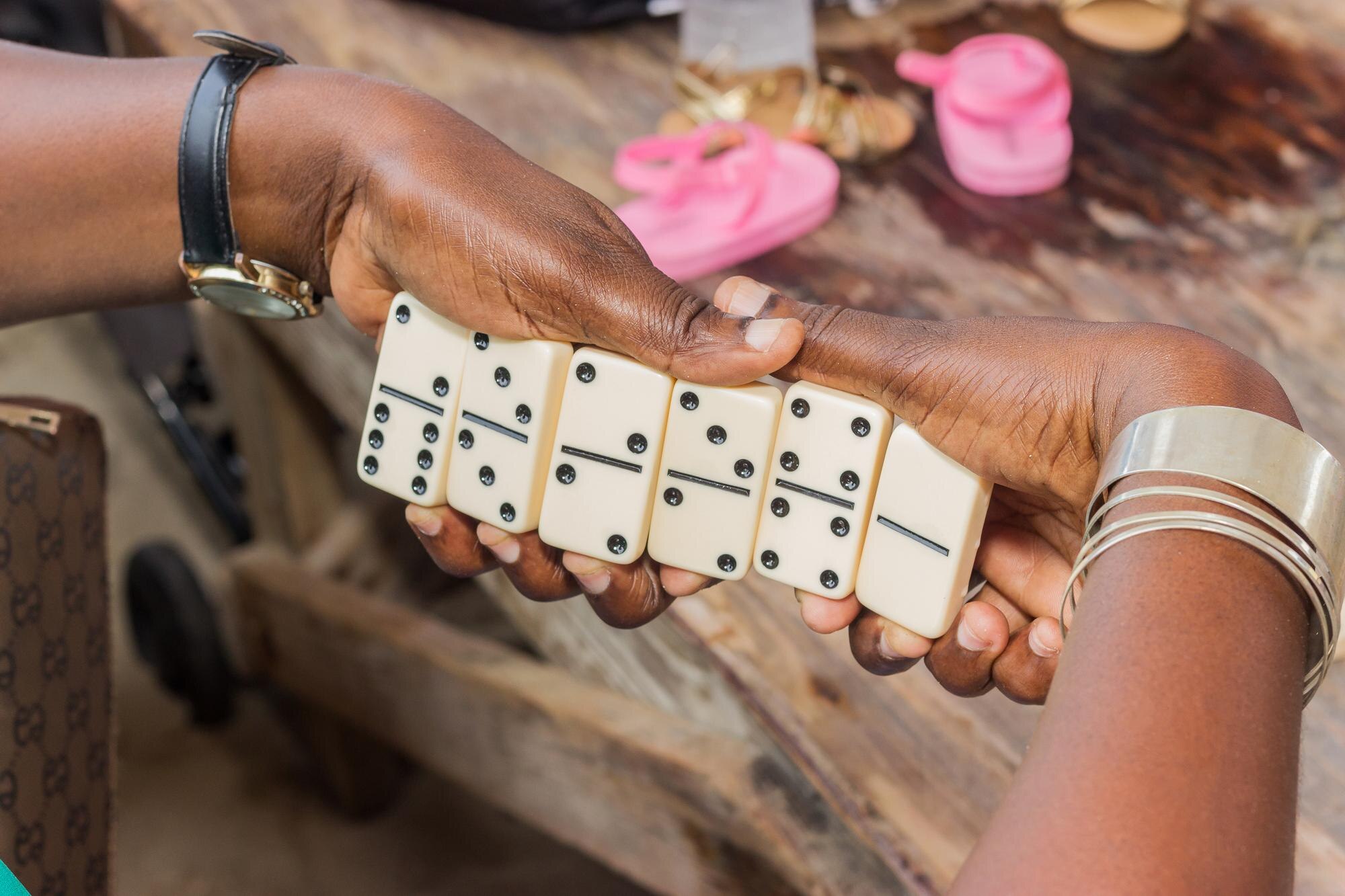
In Havana, a sidewalk domino game puts Cuban culture within earshot: tiles strike the table and voices rise over a disputed play. A small cup of sweet coffee sits nearby. Spanish, African, Caribbean, and other influences meet in these everyday moments. You hear them in street conversations and find them in the food served at a family table.
Beyond the domino table, inherited traditions meet present-day life in religion, art, and music, too. This guide traces those connections through their history and the everyday pleasures that give them a tangible form.
In This Article
- Identity and History
- Language and Everyday Conversation
- Family, Community, and Daily Life
- Religion and Spiritual Traditions
- Food, Coffee, and Rum
- Music and Dance
- Art and Locally Made Souvenirs
- Key Takeaways
- Frequently Asked Questions
- Explore With Curiosity and Respect
Identity and History
European and African ancestry, Indigenous heritage, and contributions from Chinese and other immigrant communities all shape Cuban identity. Within families, these histories often overlap. Music and religious life bear especially strong African influences. Colonization devastated Indigenous communities, but their legacy endures in place names and foods such as cassava.
That history has a public presence, too. A monumental seated José Martí stands before a tall memorial tower in Havana’s Plaza de la Revolución. The writer and independence leader Martí remains central to ideas of Cuban sovereignty through his work. Across the plaza, an enormous metal outline of Che Guevara’s face covers the Ministry of the Interior building. Beside it are the words “Hasta la victoria siempre.”
These imposing figures bring different chapters of national history into the same view. Guevara’s image recalls the revolution that brought Fidel Castro to power in 1959. Martí’s presence looks further back, to the struggle for independence. Their scale makes both figures difficult to overlook in the plaza.
Language and Everyday Conversation
In Cuba, Spanish is both the official language and the language most often heard in everyday conversation. If you are unfamiliar with its quick pace, softened or dropped consonants can make speech harder to follow. This is especially true of an “s” at a syllable’s end: los amigos may sound like lo amigo in casual speech. Familiar written words can sound different when spoken.
Beyond pronunciation, word choices shift with the speaker’s generation and the setting. Addressing a friend as Asere, for example, gives informal Cuban conversation a character you will not find in textbook Spanish. Minority communities also maintain ties to Haitian Creole and Chinese languages. Family ancestry, though, does not always match the language spoken at home.
Greetings can set a more formal tone: Buenos días is used in the morning and buenas tardes in the afternoon. Using usted makes an exchange more formal, too. That opening need not prevent a conversation from growing into overlapping voices and broad gestures, neither of which necessarily signals an argument. Listen for laughter amid the louder exchanges.
Family, Community, and Daily Life
A tile lands sharply on a sidewalk domino table, drawing an objection from across the seats and laughter from a spectator. Beside the players, a bottle of rum may pass around. Raised voices are part of the fun. Each move carries on a conversation that started well before this game.
Beyond the domino table, neighborhood ties can help people meet everyday needs. Families often share childcare and look after older relatives, sometimes with several generations living together. Some households share a roof because of close family bonds; others have few housing options. Neighbors may join that circle of support, too.
Keeping a household running can take considerable time. When food is scarce, meal preparation may depend on what can be found rather than what a family planned. Difficult transport complicates the trip to work, while power interruptions upset routines at home. Money from relatives abroad can expand a family’s choices. These practical pressures affect households differently.
Household resources also shape how families celebrate. In some families, a quinceañera marks a girl’s fifteenth birthday, with personal taste and budget guiding the clothing and festivities. The occasion might take the form of an elaborate party or a smaller gathering. Either way, a family milestone remains the focus of the day.
Religion and Spiritual Traditions
In Cuba, Catholicism’s long history sits alongside those of Protestant churches and other faith communities. Santería grew from Yoruba religious traditions under slavery and colonial rule. Also known as Regla de Ocha or the Lucumí tradition, it has its own religious knowledge, obligations, and community structures. Connections between orishas and Catholic saints form another part of that history.
Within this tradition, the orishas have distinct identities: Changó is linked to thunder and the colors red and white. Yemayá is linked to the sea and blue and white. Religious music includes Batá drums, double-headed instruments traditionally played in a set of three. The drums’ interlocking voices serve a ceremonial purpose that goes beyond keeping a beat.
These religious ties need not be exclusive: someone attending a Catholic celebration may also belong to an Afro-Cuban religious community. Others follow neither tradition. For practitioners, white clothing, beads, and altars can hold particular meaning in daily life. Some practices stay private, and performances for visitors take place in a different setting from religious ceremonies.
Food, Coffee, and Rum
Rice with black beans, roast pork, and fried plantains bring earthy, savory, and sweet flavors to Cuban cooking. Behind these familiar combinations are migration, agriculture, and the resources available to households. Ropa vieja combines shredded beef with a savory sauce. Mild, starchy yuca makes a base for mojo.
Garlic and citrus give Mojo its distinctive flavor, pooling around soft pieces of yuca when the sauce is poured over them. With pork, those flavors complement the rich meat and browned skin. Roast pork also draws people in with its garlic-seasoned aroma and the contrast of crisp skin against tender flesh. Garlic, cumin, oregano, and citrus shape the seasoning rather than intense chile heat.
These familiar dishes do not represent every weekday meal: what is available shapes both menus and prices. A pork roast for a celebration differs from a quick lunch at home. Pork or meat stock can also add deeper savory flavor to a dish of beans or vegetables.
A small cup of coffee often carries a strong, sweet, concentrated taste, and sharing it is a familiar gesture of hospitality. Rum has its own place in Cuban social life. Its role in cocktail history includes drinks such as the mint-scented mojito and the daiquiri.
Music and Dance
Spanish-derived song traditions meet Afro-Cuban rhythms in Son, which helped shape dance music that followed. Rumba grew out of Afro-Cuban communities, bringing percussion, singing, and movement together. These traditions have distinct structures and histories, so “salsa” cannot describe everything you hear on a Cuban dance floor.
Rumba’s overlapping rhythmic patterns find a visible expression in a dancer’s bent knees and responsive torso. A sudden pause or gesture can answer the percussion. The body appears to keep one pulse while responding to another, drawing the rhythms into movement. Singing adds another connection between sound and dance.
By contrast, ballet gives rhythm shape through an extended leg, a held balance, or dancers crossing a stage together. Alicia Alonso helped build Cuba’s international reputation through her artistic work. That contribution also came through the company now known as the Ballet Nacional de Cuba. Ballet’s physical language is strikingly different, but this classical tradition belongs alongside popular music in any account of the culture.
Where a performance happens also shapes what you hear and see. Performers and listeners mingle closely at a neighborhood gathering, while a theater focuses attention on the stage. Tourist-oriented shows present the work differently again, tailoring it to their particular audience.
Art and Locally Made Souvenirs
Painting, ceramics, textiles, and reused materials give culture in Cuba another visible form. Through these media, artists explore family memory, race, religion, and the pressures of daily life. Vintage cars and revolutionary portraits recur on merchandise for visitors, but they are only two subjects among many.
An artist’s choice of reused materials can mean more than saving money. In Kcho’s installation La regata (1993), small boat forms are assembled from found materials, including wood. These discarded objects become an image of movement and departure. The work shows how ordinary materials can become the substance of art.
With smaller objects, look for traces of the making: a painting’s brushwork, differences between ceramic pieces, or the construction of a textile. A seller or maker may explain the process and tell you the artist’s name. Local artistic production also includes prints, issued as editions or sold as reproductions. Even when handmade pieces are made in batches, the labor behind them remains.
Key Takeaways
- National history becomes part of everyday surroundings through public monuments.
- A household’s resources influence both the size of its celebrations and the routines of daily life.
- Colors and instruments used in religion hold significance that goes beyond how they look.
- Where a performance takes place shapes how the audience connects with the work.
- The materials an artist chooses can tell as much of a story as the subject itself.
Frequently Asked Questions
Are Cubans primarily white or black?
Cubans identify as white, Black, mixed-race, or in other ways, rather than fitting into just two groups. These categories cannot fully capture ancestry, nor can appearance tell you how a person identifies.
Are Cubans friendly to Americans?
Cuban hosts and residents often welcome Americans warmly. Those personal connections are separate from government relations, and a friendly reception tells you nothing certain about someone’s political views.
Is Cuba LGBT friendly?
Same-sex marriage is legally recognized in Cuba, and the 2022 Family Code broadened family rights, including adoption rights for same-sex couples. Legal rights do not mean uniform social acceptance of LGBT people. Prejudice remains, so travelers may have different experiences depending on the setting.
What is the lifestyle like in Cuba?
Securing basic necessities can take up much of the day in Cuba, where economic pressures compete with work, school, and family commitments. Family involvement remains strong, but daily routines vary between urban and rural areas and depend on household resources.
What is Cuban culture?
A household serving sweet coffee, with conversation and a neighborhood domino game continuing outside, gives a glimpse of Cuban culture. These shared moments reflect just one part of a broader way of life. Cubans abroad also shape that culture while keeping their ties to the island.
What are some traditions in Cuba?
Sharing coffee, playing domino games, gathering for music, and celebrating quinceañeras are all Cuban traditions. Local festivities include the Parrandas of Remedios. At the Parrandas, rival neighborhoods El Carmen and San Salvador compete with elaborate floats and fireworks. Above the crowds, illuminated constructions tower while explosions sound through the night.
Explore With Curiosity and Respect
Explore Cuban culture with curiosity, but let your hosts set the boundaries. Ask permission before photographing people or religious spaces, and respect practices that remain private. Listen without assuming that one household, performance, or conversation represents everyone. When buying art, ask about the maker and the process behind the work.