


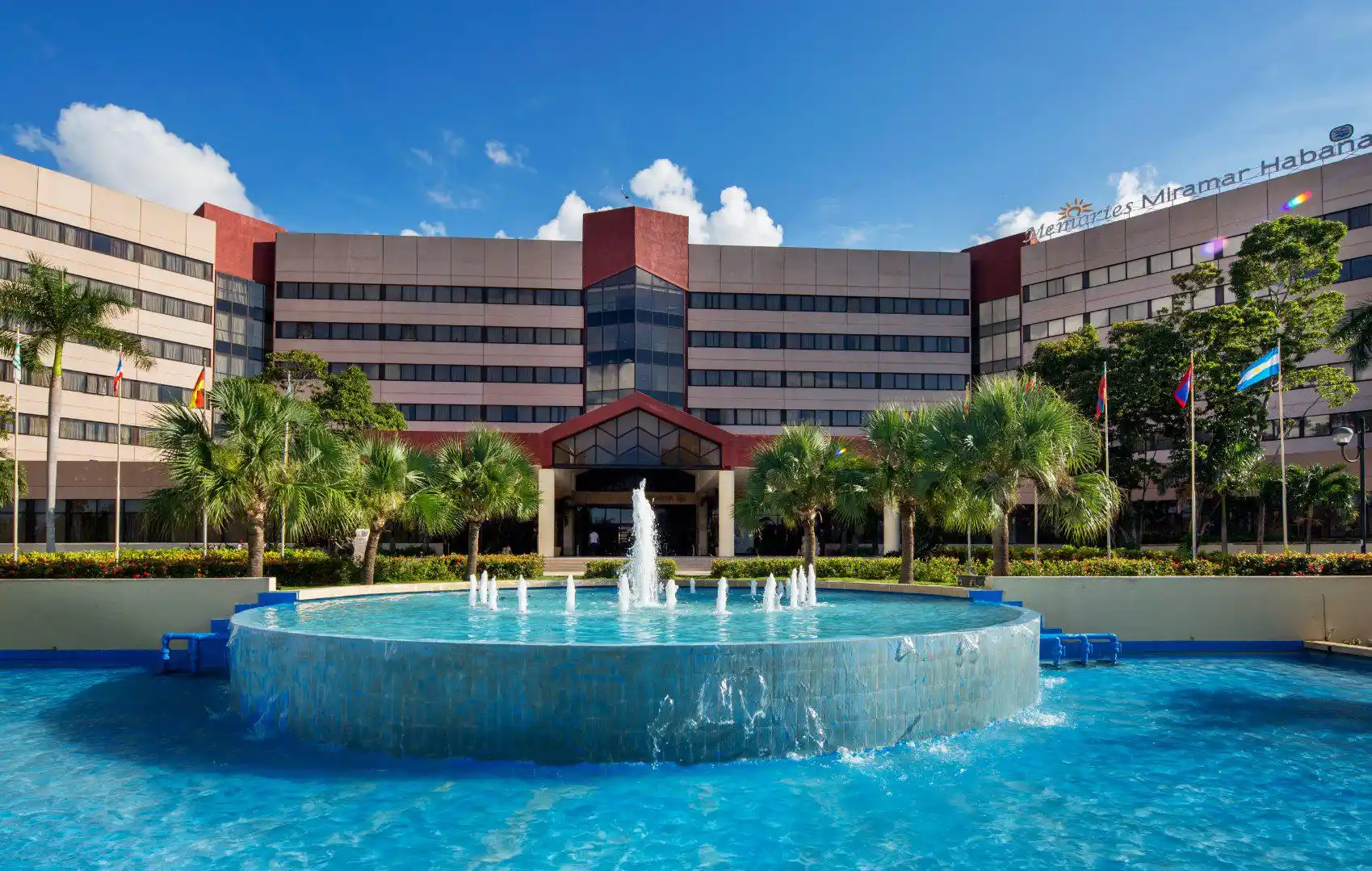
Memories Miramar Havana, also listed as Memories Miramar Habana, is a 427-room Gaviota-owned resort in Havana’s Miramar district, managed by Blue Diamond Resorts. For US travelers, the property’s compliance status matters as much as its pool count, since it sits at the intersection of OFAC travel rules and the Cuba Restricted List. Here’s what to check, what it costs, and what daily life actually looks like once you’re there.
Our Rating
8.6/10
Location
8.8
Service
7.6
Cleanliness
8.5
Value for Money
7.4
Dining
7.6
In This Article
- Is Memories Miramar Havana Legal to Book Under U.S. Sanctions?
- What Will Booking and the Room Rate Actually Cost You?
- Cash, Cards, and Currency: How Do You Actually Pay Once You’re There?
- Property Overview: Rooms, Location, and What Hotel Miramar Habana Actually Gets You
- Is the Wi-Fi and ETECSA Connectivity Actually Usable?
- Power, Water, and Comfort: What Breaks and What Doesn’t
- Food, Staff, and Safety: The Day-to-Day Experience
- How Does It Compare to Other Havana Hotels?
- Where This Leaves You Before You Book
Is Memories Miramar Havana Legal to Book Under U.S. Sanctions?
The short answer? It depends on two separate checks, and this hotel fails one of them for a lot of travelers. Memories Miramar Havana is owned by Grupo Gaviota S.A., a state tourism enterprise, and Gaviota-affiliated entities appear on the State Department’s Cuba Restricted List. Under federal regulation, US persons generally can’t make direct financial transactions with entities on that list, and paying for a hotel room counts. Most travel to Cuba happens under the “Support for the Cuban People” general license, and that category comes with its own separate lodging rule. Since 2020, that rule has barred booking, paying for, or reserving lodging at any property on the Cuba Prohibited Accommodations List, and that list gets updated periodically, eleven properties were added in the July 2025 revision alone. A clean check today doesn’t guarantee a clean check next month.“I tell every client the same thing: check the CRL and the CPAL every single time, no matter how many times you’ve stayed somewhere before. The lists change on their own schedule, and a hotel that was fine in January isn’t guaranteed to be fine in July.” Gabriel Fountain, Senior Travel Correspondent, Cuba & Caribbean TravelBecause Memories Miramar Havana is a Gaviota property, it sits closer to the restricted end of that spectrum than most casas particulares or independently run guesthouses. That doesn’t automatically make it illegal to book, since the two lists aren’t the same and update on different schedules, but it does mean verifying current status before you enter payment details isn’t optional. Review the conditions of your specific travel category directly on OFAC’s own guidance rather than trusting a booking site’s summary.
What Will Booking and the Room Rate Actually Cost You?
Room rates aren’t published directly in most searchable listings, but industry data classifies Memories Miramar Havana as a “Superior First Class” property, one tier above standard first-class hotels in the classification system travel agents use. Reservations must be guaranteed with a credit card, and but here’s where it gets complicated: the hotel explicitly does not accept credit cards issued by US financial institutions. That restriction isn’t unique to this property, it’s standard across nearly all state-run Cuban hotels, but it catches first-time visitors off guard constantly. Bring a card issued outside the US banking system if you have one, or plan to pay cash on arrival. Group bookings of more than ten rooms trigger separate contract terms and deposit requirements, which matters if you’re planning a wedding or a corporate retreat rather than a standard stay.Cash, Cards, and Currency: How Do You Actually Pay Once You’re There?
Most on-site purchases, dining, the spa, the boutique, must be paid by card rather than cash, and only non-US-affiliated Visa, Mastercard, and Euro Card are accepted. But there’s a catch: off-site spending, tipping, and local excursions run almost entirely on cash.- Bring cash in euros or Canadian dollars; US dollars take an extra exchange penalty in Cuba
- Don’t count on ATMs: US-issued cards won’t work at Cuban machines, full stop
- Budget separately for tips; housekeeping and bar staff expect cash, not card charges
- Keep a mix of small bills for paladares and street vendors near the property
Property Overview: Rooms, Location, and What Hotel Miramar Habana Actually Gets You
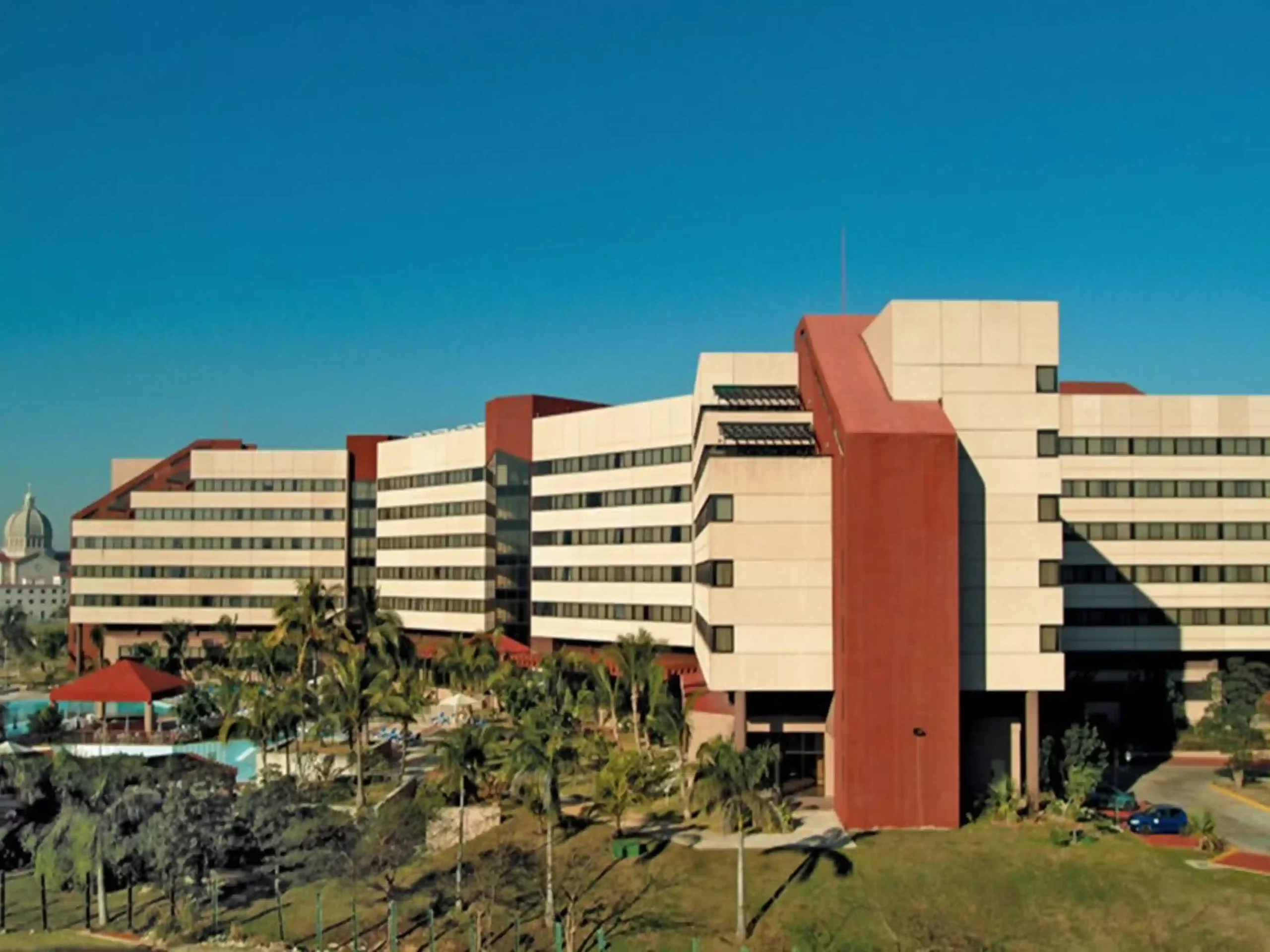
Hotel Miramar Habana, as some databases still list it, sits on Fifth Avenue between 72nd and 76th Streets in Havana’s Miramar district, a diplomatic and residential neighborhood roughly 13 to 15 kilometers from Jose Marti International Airport. That puts it about 20 minutes from the airport and a genuine drive, not a walk, from Old Havana’s colonial core. The property runs 427 rooms across a main building and an auxiliary wing, though a few European booking platforms list closer to 448 when adjoining rooms and suites get counted differently. Every room includes a private balcony, a minibar, and dual-voltage outlets, but the physical plugs are flat-prong, so pack an adapter regardless of where you’re traveling from.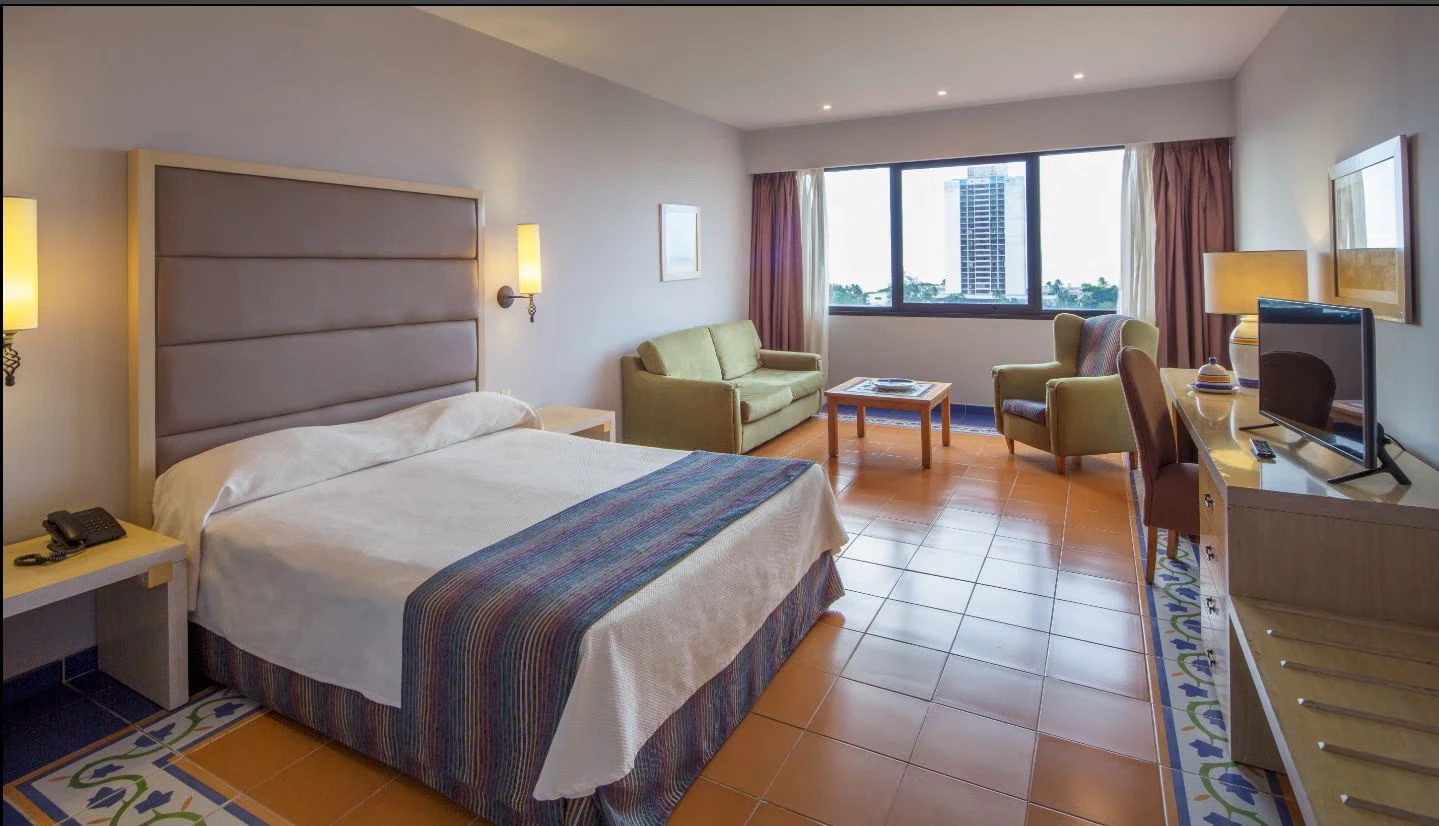
Is the Wi-Fi and ETECSA Connectivity Actually Usable?
Short answer: it works, but it’s slow, it costs extra, and it’s the single most complained-about feature in recent guest reviews. Wi-Fi is available in public areas including the lobby and cyber cafe, and charges apply per card, there’s no free in-room internet bundled into most rate plans. For actual connectivity, most 2026 visitors skip the old Nauta-card-only approach and pick up a CubacelTur tourist SIM at the airport instead. According to the Federal Communications Commission, Americans can access the internet in Cuba through prepaid NAUTA cards at ETECSA hotspots, purchased at ETECSA offices, hotels, or the airport, and that guidance still holds as a fallback option. Worth pausing on that for a second: AT&T, Sprint, Verizon, and T-Mobile all currently maintain roaming agreements with ETECSA, so check with your carrier before assuming you need a local SIM at all. It might be cheaper to just roam for a short stay. If you do go the SIM route, buy it at Jose Marti, Varadero, or Holguin airport on arrival rather than hunting for an ETECSA office in the city later. Configure the access point to “nauta” and you’re set.Power, Water, and Comfort: What Breaks and What Doesn’t
Power and water infrastructure in Cuba runs older than the resort’s renovated interiors suggest, and Memories Miramar Havana isn’t exempt from that reality. And it gets more complicated once you remember the resort sits fully inside Cuba’s national grid, not on some isolated backup system. The hotel underwent renovations in 2012 and again in 2019, plus a full reopening in November 2021 under a “Safety-Assured Vacations” protocol. Hot water and air conditioning both work most of the time, according to guest feedback, though occasional low water pressure and fixture wear show up in reviews. Ask housekeeping to flag any issue early in the day rather than waiting, since maintenance response tends to be faster before evening. Tap water isn’t drinkable anywhere in Cuba, this property included. You get one complimentary bottled water on arrival, and every bottle after that gets added to your bill, so bring a reusable bottle and plan to refill it rather than buying case after case at the gift shop.Food, Staff, and Safety: The Day-to-Day Experience
Dining runs on a meal-plan structure, bed-and-breakfast, half-board, or all-inclusive, and the culinary team leans into Cuban Creole dishes alongside international standards. El Patio, the a la carte restaurant, enforces a real dress code at dinner: no shorts, no tank tops, closed shoes required.- Las Arcadas: main buffet restaurant, breakfast 7 to 10am, dinner 7:30 to 10pm
- El Patio: formal Cuban and Creole a la carte, dress code enforced at dinner
- Lobby Bar: open 24 hours, live entertainment and an afternoon pianist
- Route 66: American-style sports bar showing international events
How Does It Compare to Other Havana Hotels?
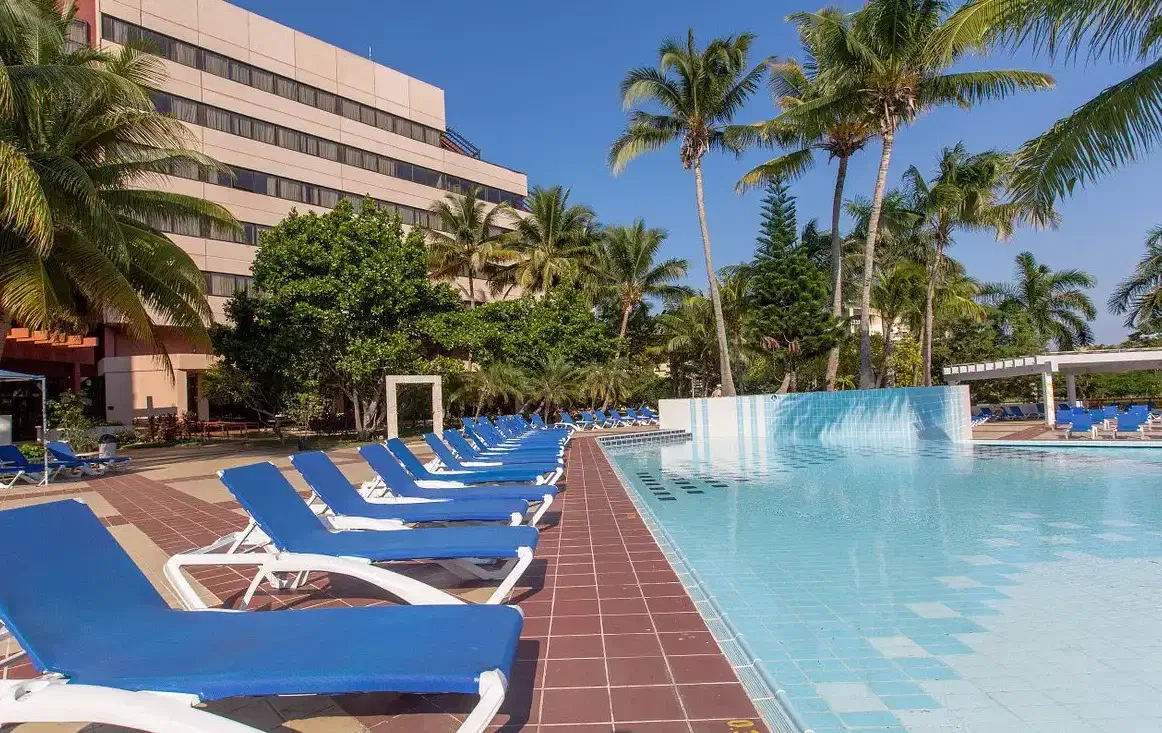
But the real question is this: does resort scale matter more to you than walking distance to Old Havana? Against other Miramar-district resorts, Memories Miramar Havana wins on scale, four pools, six tennis courts, and a Balinese-themed spa aren’t standard even at this price tier. It loses on proximity to the colonial core, where boutique properties inside the historic walls, like Hotel Inglaterra in Havana, put you within walking distance of the Malecon and the Capitolio instead of a 20-minute shuttle ride away.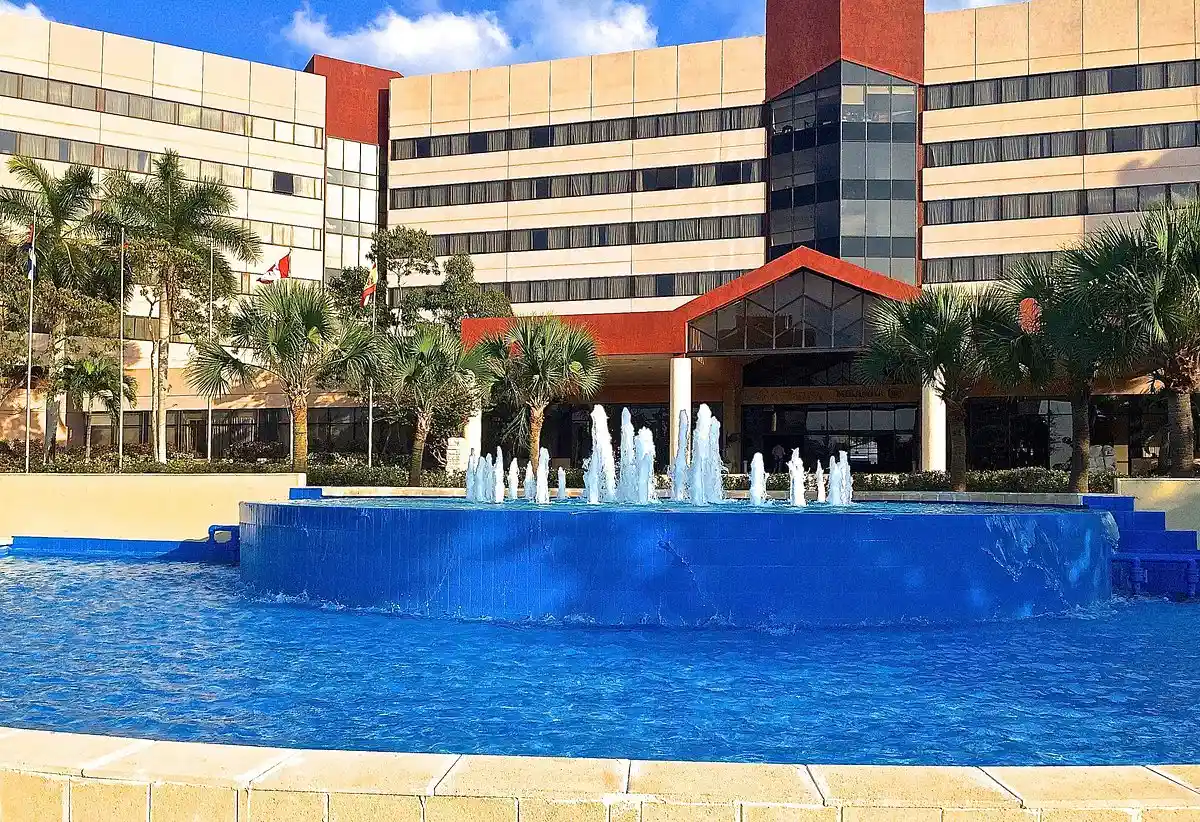
Is Memories Miramar Habana the same hotel as Memories Miramar Havana?
Yes. Memories Miramar Habana and Memories Miramar Havana refer to the same 427-room property on Fifth Avenue in Havana’s Miramar district; the naming difference comes down to whether a listing uses the Spanish “Habana” or the English “Havana.” You’ll see both spellings across booking platforms, GDS codes, and travel agency databases, sometimes even on the same site. It doesn’t affect the reservation, the address, or the compliance questions covered above. So don’t let the spelling variation cause confusion when you’re comparing rates across different booking channels.Can Americans legally stay at a Gaviota-owned hotel in Cuba?
It depends on the specific property’s current status on the Cuba Restricted List and the Cuba Prohibited Accommodations List, both of which get updated periodically and independently of each other. Gaviota as a parent company appears on the CRL, which generally restricts direct financial transactions with its affiliated entities, but that doesn’t automatically mean every individual Gaviota property is barred from every category of authorized travel. The safest approach is checking both lists directly through the U.S. Embassy in Havana’s published resources immediately before booking, not relying on a hotel’s own marketing copy or a travel blog’s summary from a prior year. If you’re traveling under a general license category like Support for the Cuban People, also confirm the separate lodging restriction applies or doesn’t apply to your specific property.Do I need a Nauta card if I already have an ETECSA tourist SIM?
Not necessarily, but it’s smart to carry one as a backup. A CubacelTur SIM gives you mobile data across Cuba’s network, the same network Nauta cards connect to at Wi-Fi hotspots, so in theory you don’t need both. In practice, SIM data can run out or underperform in certain buildings, and a Nauta card purchased at the hotel or an ETECSA office gives you a second way to get online when the SIM struggles. Given how inexpensive Nauta cards are relative to the SIM package, most experienced Cuba travelers keep both options available rather than betting everything on one connection method.What’s the biggest complaint from recent guests?
Wi-Fi reliability and speed show up as the lowest-rated category across recent guest feedback, even though the resort earned a TripAdvisor Travelers’ Choice award in 2024 and holds a 4.3 out of 5 average from over 3,000 reviews. Front desk check-in speed comes in second, particularly during high-occupancy periods when a 427-room property processes a large volume of arrivals at once. Neither complaint is unique to this hotel among Cuban state-run properties, but both are worth setting expectations around before you arrive, since neither improves the more you wish it would. If either issue would meaningfully affect your trip, build in buffer time at check-in and don’t count on the internet for anything time-sensitive.Where This Leaves You Before You Book
So what does that actually mean for you? Memories Miramar Havana works well for travelers who want resort-scale amenities and don’t mind a shuttle ride into the historic center, provided the compliance check comes back clean on the day you book, not the day you researched it six months ago. In my eight years covering this destination, the properties that cause problems for American travelers are rarely the ones people research the hardest. They’re the ones people assume are fine because a friend stayed there last year, or because a blog post from years back said it was safe. Lists change. Run the check yourself, every time, even for a hotel you’ve stayed at before. Beyond the legal question, this is a genuinely large, well-equipped property with strong pool and room ratings, a real dress code culture at dinner, and Wi-Fi that will frustrate anyone expecting home-country speeds. Go in with cash for tips and off-site spending, a non-US card for on-site charges, and a printed booking confirmation for check-in, and most of what trips up first-time Havana visitors here simply won’t apply to you.
Gabriel Fountain Senior Travel Correspondent — Cuba & Caribbean Travel | Licensed U.S.-Cuba Travel Consultant
Gabriel has been covering Cuba travel for U.S. audiences for over 8 years, having personally visited and reviewed more than 60 hotels across Havana, Varadero, Trinidad, and Cayo Coco. He specializes in helping American travelers navigate OFAC travel regulations, licensed categories, and payment restrictions — turning a legally complex destination into an accessible one. Before focusing on Cuba, Gabriel worked as a hospitality auditor for a U.S.-based travel agency, evaluating hotel standards across Latin America. His reviews combine on-the-ground experience with practical guidance on visas, currency exchange, and booking logistics specific to U.S. citizens. He has been featured as a Cuba travel expert on regional travel podcasts and contributes to several U.S. outlets covering Caribbean tourism.
Sources
- U.S. Department of the Treasury, Office of Foreign Assets Control. “FAQ 707: What constitutes support for the Cuban people.” OFAC, 2026.
- U.S. Department of State. “Cuba Restricted List.” State.gov, 2026.
- U.S. Department of State. “Updating Cuba Prohibited Accommodations List.” Federal Register, 2025.
- U.S. Embassy in Cuba. “Traveling to Cuba.” USEmbassy.gov, 2026.
- Federal Communications Commission. “Telecommunications FAQs for Travelers to Cuba.” FCC.gov, 2020.