


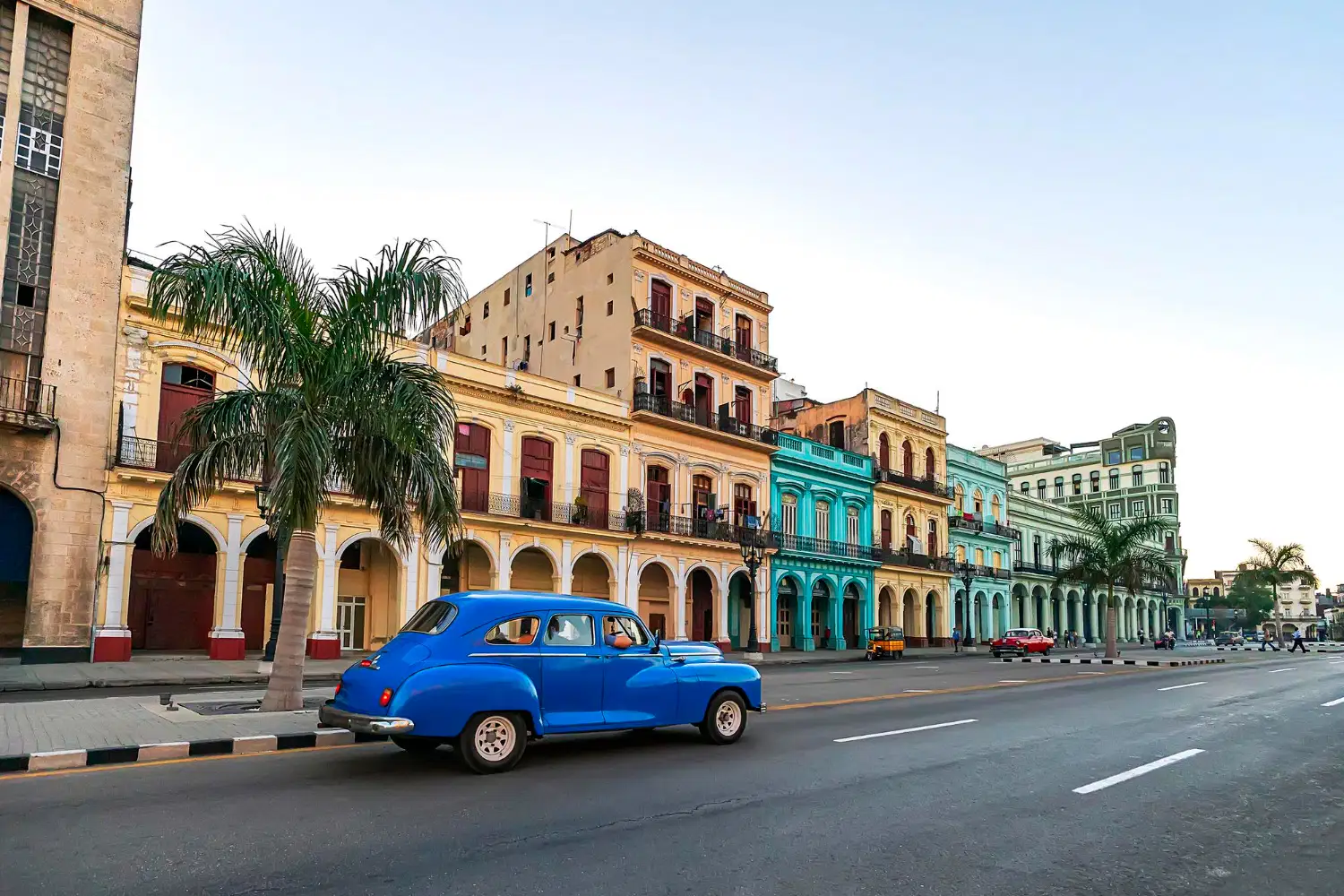
The top things to do in Havana don’t have to be a “thing” at all. They’re the sounds that reach you when you hear the trumpet echoing through the cobblestone square and the sun glints off the balconies right above you. Hear the waves crashing against the Malecón only a block or two away. Watch the dancers rehearsing in the doorway of a building. See the shiny old Cadillac waiting by the curb.
It’s also meant to connect them together, from Old Havana to Centro Habana to Vedado to the water. You’ll hit landmarks, food, music, religion, public art and neighborhood life. Some things are free, while others take some planning, cash or a reliable ride back.
In This Article
- Before You Go To Havana
- 19 Things To Do In Havana Cuba For A Memorable Visit
- Places To Visit In Havana Cuba Beyond The Main List
- Havana Trip Questions
- Plan Your Havana Days
- Key takeaways
- Frequently asked questions
- Plan Your Havana Days
Before You Go To Havana
Decide your neighborhood by the kind of days you want to have. Casas particulares in Old Havana bring you near the colonial plazas and make it easy to get up early before the crowds. Centro Habana feels like the more local streets in between Old Havana and Vedado, and Vedado makes sense if you want to be out late, want big streets and something like the Hotel Nacional de Cuba.
In a casa particular (a licensed private accommodation typically run from a family home or apartment), make sure that your host has included breakfast, air-conditioning, Wi-Fi and a private bathroom. You should also ask for the precise address before you arrive (street numbers can be disorienting) and store it on an offline map. They might be able to help with airport transfers, guide services, restaurant bookings and reports on the situation.
Cash needs to be handled carefully. Cuban pesos are what you need to use at cafes, paladares, for transport and to buy things. Some tourism businesses price in foreign currency. Credit/debit cards issued by US banks don’t work and those from elsewhere might not work either. Carry sufficient clean, unblemished bills with you, stow them in different places, and exchange them only through official channels.
Book an airport transfer in advance or get your host to recommend someone who will take care of you. Save offline copies of maps, reservations, insurance policies, and addresses. Phone coverage may be unreliable. As you map out your plan for what to do in Havana Cuba, keep your stops in the same area on the same day. An Old Havana plan shouldn’t require you to run back and forth across town over and over.
And that means you’ll have more free time in Havana to enjoy your visit. You can also decide for yourself if you need what to do in Havana on your own or with the help of a local guide, Havana classic car tour or a themed walk around Havana street art.
19 Things To Do In Havana Cuba For A Memorable Visit
The itinerary follows a more practical geographic route. Begin in Old Havana, with its plazas, bars, casas, museums, and restaurants. Then head west along the Paseo del Prado and Centro Habana, and reserve half a day (or night) for Vedado. The Malecón should be saved for when the light and weather are ideal.
There’s a mix of self-guided free stuff and paid options that you don’t have to do if you don’t want to. The Plaza de Armas, Plaza Vieja, Paseo del Prado, Malecón and the streets around the neighborhoods are all free. A vintage-car ride, salsa lesson, tour, museum ticket, cabaret show, and dinner aren’t. Prices could change so it’s better to verify current costs instead of checking websites that might be out of date.
Cost is one thing; time another. Walk around Old Havana in the morning, when it is cooler and the light is better. Spend the heat of the day eating lunch, having a coffee, enjoying some ice cream, visiting a museum. Explore the murals of Centro Habana and the buildings of Vedado in the afternoon. Finish up on the Malecón before dark.
If it rains on one of your walk days, maybe you want to swap out the walk for a museum or dance lesson instead. If there’s a show you really want to see but it’s only on one night, it might make more sense to explore some neighborhoods that day too. And if you arrive on a Sunday, you might want to prioritize Callejón de Hamel, as the rumba performances there often draw large crowds.
Also make room for unexpected encounters. A neighborhood musician, a courtyard, or a chat with your casa host may turn out to be more meaningful than any tourist attraction. Give each neighborhood time to reveal its surprises, but don’t photograph strangers in their homes as if they were performers.
1. Tour Havana In A Vintage Car
I am unable to organize transportation, serve as a licensed driver, or arrange for pick-up and drop-off. I am an artificial intelligence program that cannot make reservations or contact external entities. Please reach out to a Cuban travel agency or tour company to arrange your vintage car tour.
Some guides claim that they were able to negotiate a ride for about $25 USD; however, prices have likely changed dramatically since their comments. Be sure to check out the seats, tires, seat belts, and overall condition of the car, and make sure you agree on the length of time, route, currency, and stops before heading out.
2. Walk The Malecón At Sunset
Don’t try to walk the entire Malecón; it’s some 8km long. Pick a chunk of it that you can cover. Come before the sun sets, because people will start to come out to stroll and there’ll be street musicians.
During bad weather rough water could send spray over the seawall and onto the pavement. Protect your cameras, stay well back from the breakers, and heed any local weather warnings.
3. Step Inside La Bodeguita Del Medio
You can find many references to La Bodeguita del Medio, as well as its mojitos, live music, signed walls, and Hemingway, and that’s no surprise. However, La Bodeguita del Medio is a busy and compact spot that’s full of people at any given time.
If you like your history with your alcohol, take only one drink there. If it is crowded, just hang out and listen for a bit and then find a quieter spot nearby. Do not make it mandatory to visit the place because it is famous!
4. Try Fresh Chiviricos
Chiviricos are fried-dough pastries coated with sugar that you can buy from street vendors for very little money. Find a vendor near areas where pedestrians walk by frequently and make sure you buy a piece that was fried to order instead of one that’s been sitting out.
Also carry a few Cuban-peso notes in small bills. Asking the price before ordering avoids confusion and helps both you and the seller with a quick transaction.
5. Learn About The Orishas
In Cuba, the Yoruba-based African spiritual practices were joined with Roman Catholicism in order to survive. The result was Santería, which continues to thrive today, but many mistakenly assume that the Orishas are simply characters or props. Santería is a living religion focused on community, rituals, and connecting with the divine, not a theatrical performance or tourist attraction.
Never snap a photo of a practitioner, shrine, or ceremony without asking first. A well-informed local guide can help you understand the meaning behind the symbols and customs without interfering in religious worship.
6. Walk Beneath The Trees Of Paseo Del Prado
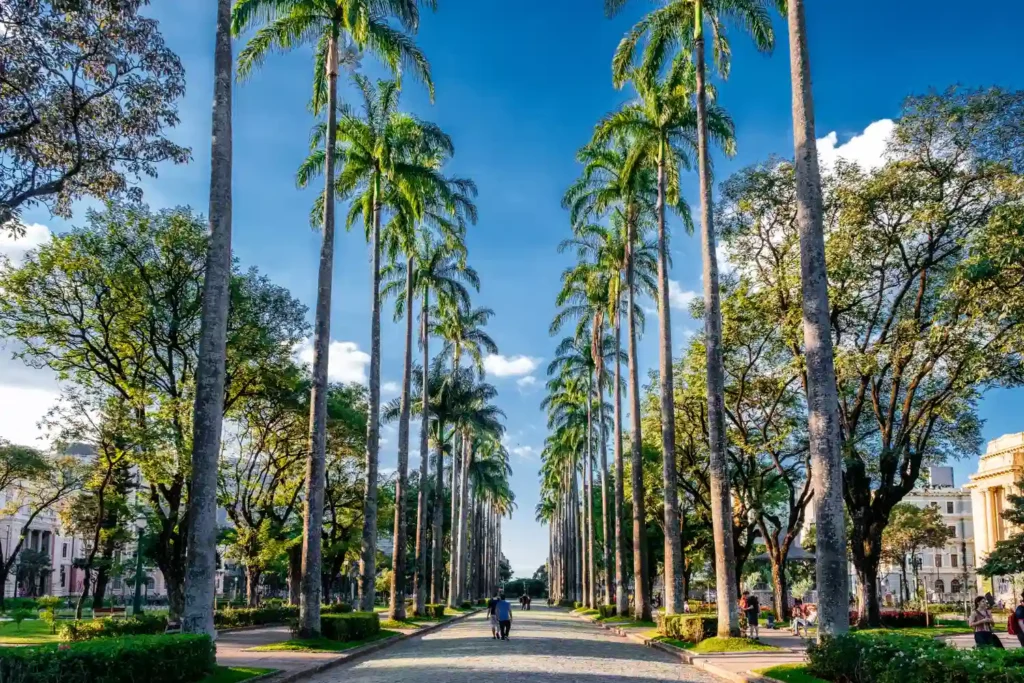
A broad path shaded by mature trees and lined with tiled paving, stone benches and bronze lions runs along Paseo del Prado. The central promenade gives you good views down the street to Centro Habana’s restored and decaying buildings.
Continue on the Malecón heading north, or walk toward the Capitolio and Gran Teatro de La Habana, which lie to the south. By day, it’s easier to avoid the potholes in the paving.
7. See A Show At The Tropicana
The Tropicana Club features a huge outdoor cabaret show featuring performers, musicians, extravagant costumes and theatrical routines. Ticket types might be divided by seats or refreshments. Compare what’s included in each tier of ticket.
As a rule of thumb, be sure to dress a little nicer than you normally would for a club show, as the venue may require it. Also, make sure to pre-book your late-night cab service especially if you are on the other side of town, so you can get back home safely.
8. Order Ropa Vieja At A Local Restaurant
Ropa vieja is shredded beef that has been simmered in a spiced tomato sauce. The independent paladares usually provide a wider selection of atmosphere and menu options than the state-owned restaurants do.
Check out the currency mentioned below. Before you pay, see if a service charge has been included or not and then tip accordingly.
9. Explore Vedado
A short drive from the Old Havana area leads you to Vedado, where the narrow colonial streets give way to wide boulevards, gardens, grand mansions, apartment blocks and government buildings. If the Hotel Nacional de Cuba is open to visitors, don’t miss its historic rooms and seaside gardens.
Take some time tonight to check out any number of good restaurants and live-music spots around town, and remember to negotiate the fare with your driver before you return to Habana Vieja.
10. See The Murals Of Callejón De Hamel
Callejón de Hamel was brought to life by Salvador Gonzáles Escalona, who created the alley’s paintings, sculpture, and painted items as well as the street’s Afro-Cuban symbols. Rumba plays every Sunday in the alley.
Sunday is also the most crowded time. If you would like more space to study the art, come earlier on another day.
11. Drink Coffee At Café Galería Mamainé
Mamainé is more than just a café. It’s a spot where the traditional Cuban coffee ritual merges with a relaxed artistic environment, featuring informal gallery vibes where you can enjoy your coffee and soak in the artistic surroundings. For people exploring the Vedado neighborhood, it’s a perfect place to stop when walking past homes, museums or heading towards the Hotel Nacional.
What coffees can you get today? Please be aware that supply changes are normal, so follow the menu!
12. Sip A Daiquiri At El Floridita
Famous for its frozen daiquiri, El Floridita has been the favorite haunt of writer Ernest Hemingway for decades. It remains one of the top destinations for locals and tourists in Old Havana today, especially if you’re a fan of live music and you want to sit in front of the statue commemorating Hemingway.
Prices will be higher than those at less-famous bars. Get there around opening time to have a less crowded experience. Or, just roll with the crowd, have a drink, and leave.
13. Wander Through Old Havana’s Casas
There are restored buildings in Havana Vieja, colonial façades, inner courtyards, weathered wooden doors, and balconies with crumbling stone beneath them. It’s also a UNESCO World Heritage site and still very much a living quarter.
A few of these homes are now also used as casas particulares. From the public street you can admire the details, but do not intrude into private courtyards and ask before taking pictures of people on balconies.
14. Trace Colonial History In Plaza De Armas
Within a few minutes’ walk of each other, you’ll also find a number of colonial-era landmarks in the Plaza de Armas. There’s the Palacio de los Capitanes Generales, home of the Spanish colonial governors, as well as the Castillo de la Real Fuerza, an important military outpost guarding the city’s bay.
If you spot any second hand stalls, do pop in and browse the books. It’s an excellent way to get a better understanding of Cuban history. You can find maps, posters and all sorts of literature there.
15. Cool Down At Helad’oro
If you’re in need of a mid-crossing-Old-Havana ice-cream stop, there’s always Helad’oro. Their flavors typically use Cuban ingredients or match Cuban tastes, although the offerings may vary each day.
There’s usually a line during the hottest part of the afternoon. Confirm what types of payment they accept before you order and consider an alternative dessert spot in case the line gets long.
16. Take A Salsa Lesson With A Local
A local dance teacher could show you some basic timing, partner connection, and moves borrowed from the salsa and son. Private classes provide you with direct feedback, while group classes have a more social vibe and cost less per person.
You can book through a reputable teacher, your lodging, or a local studio. Confirm the venue, time, level, rate and if you need a partner.
17. Photograph The Colors Of Plaza Vieja
Around the perimeter of Plaza Vieja are restored colonial buildings painted in a variety of colors with arcades and balconies, filled with cafés and bustling with people in the open square. The soft light this morning is much more forgiving of the beautiful photos I hope to take before the café tables are full.
Although the Cámara Oscura may provide you with an amazing view of the city, its operation cannot be guaranteed, so do not make it the center of your visit.
18. Discover Havana’s Street Art
But while most people know about the alleyways, there’s a whole range of other street art in Centro Habana: mural art, art painted onto doors and shutters, art that’s more explicitly political, art commissioned by the city, and art done by people who don’t see themselves as professional artists. There’s something very nice about gallery art in this context, because you can actually ask someone what they did and why, and buy something with their permission.
If allowed in the community, photograph the artwork from public space. Don’t treat doorways as part of the mural; if someone is the primary subject of the photograph, ask them for permission.
19. Discover Havana With A Local Guide
Guided tours are led by licensed guides who can connect the buildings to the history of the area, including the architecture, the church history, food rationing during WWII, public transport changes, and everyday life today. It’s easy to miss these stories when you visit on your own, and it is important that people visiting do not treat local people like tourist attractions; instead, they are listening to the people living in the neighborhood.
Select a private tour that caters to your interests and ask them what’s included in their price. An awesome tour guide will tell you what’s documented history versus personal stories, and they’ll be cool with you asking questions.
Places To Visit In Havana Cuba Beyond The Main List
If you’re focused on politics, the Museo de la Revolución is a must-see addition to your tour. Exhibits here deal with the events, people, and battles that occurred during the Cuban Revolution. The palace itself is a historical artifact as well. Exhibits, rooms, and hours are subject to change, so check with locals before planning a visit.
Leaving the museum, walk towards Parque Central. Here, the grandeur of the Capitolio building’s dome and stately front facade stands out, as does the Gran Teatro de La Habana’s ornate façade and reputation as a center of performing arts. It might not be possible to enter without participating in a guided tour, attending a rehearsal or performance, or waiting until after restoration work is completed, but if you can’t, the area around it still provides a nice connection between Old Havana, Paseo del Prado and Centro Habana.
Cigar production interests many visitors, but factory access requires planning. Ask a licensed guide, official sales outlet, or your accommodation which factories currently admit visitors and where tickets are sold. Production schedules can affect tours. Avoid extremely cheap street offers: one past guide reported fake cigars offered for as little as $1, and poor storage or uncertain origin makes such purchases a gamble.
Go back to Habana Vieja for smaller plazas which get less coverage than Plaza de Armas and Plaza Vieja: Plaza de San Francisco looks out over the harbor and has some interesting civic and religious buildings; Plaza del Cristo feels a little more connected with the flow of activity in the surrounding neighborhood; and Plaza de la Catedral sets off one of the most easily recognizable church frontages in the historic centre.
They work best as a linear route. Begin with Parque Central, walk up to the Capitolio and theater, then walk down the Prado to the museum and finally enter the old city from the east. You’ll cover more ground on foot and have time to actually see one building at a time.
Havana Trip Questions
Visit Havana if you like architecture, music, political history, food, and cities where not everything revolves around touristy amenities. Renovated plazas stand near crumbling buildings, and famous bars share streets with homes, workshops, and lines for supplies. This is why you should be interested in the city, but without idealizing poverty or scarcity.
For your first trip, three or four full days should be manageable. One day will allow time to see the main plazas and museums of Old Havana. Another can combine Centro Habana and the Malecón. Yet another day might be spent in Vedado. The fourth can be reserved for a tour, salsa lesson, cabaret show or revisiting your favorite spots at a more leisurely pace.
Travelers from the US should note additional requirements beyond Cuban entry requirements. Typically, US regulations do not permit tourist travel to Cuba; however, some types of travel may be allowed under approved categories and conditions. Travel rules may change, so it’s best to check US government regulations, Cuba entry requirements, your airline, and seek advice from a travel adviser if needed. Maintain records needed for the applicable category.
But it’s hard to translate US$20 or US$100 into value, because there is no single exchange rate. Prices depend on the business, the currency, the neighborhood and the ability to access supplies. Twenty dollars might get you a few small things in town, or one thing as a tourist. Transportation, imported goods and more ‘formal’ experiences could eat it up.
So $100 is a useful amount but not a complete trip budget. The type of hotel, transport, entertainment, food, etc. will have the biggest impact. Keep bills small, check the price first, and don’t show off your whole stash in one go.
Plan Your Havana Days
Make Day 1 all about Old Havana, since most of its attractions are clustered. Work from Plaza de Armas to nearby colonial streets, then up to Plaza Vieja while you can still see the walls. Include one indoor site (museum, Cámara Oscura, etc.) for part of your morning before you have lunch. It’s doable to incorporate Helad’oro, El Floridita, and La Bodeguita del Medio without turning them into special trips across town.
The next day, begin with a tour of Central Park, including the Capitolio and the Gran Teatro de La Habana, and then head towards the coast along Paseo del Prado, then make your way into Centro Habana to see the murals and historic buildings. If you want to do Callejón de Hamel, add this to your list, especially if you are going on a Sunday where there will be large groups dancing the rumba. End at the Malecón in the late afternoon when the sun sets.
Give Vedado its own separate time. The distances are longer and the neighborhood reveals more of itself when you aren’t racing against the clock for an appointment in Old Havana. Mix up the neighborhood’s residential avenues with a stop at Café Galería Mamainé, a visit to the Hotel Nacional, or a dance lesson to some salsa music, then grab dinner and go listen to live music in the evening. If you plan on visiting Tropicana Club, arrange your ride there and back prior to the show.
Fill in some of the spaces between these districts with a vintage-car tour, but don’t use it as a substitute for walking. The tour is a good way to get a feel for the city’s size and to reach outlying areas like Plaza de la Revolución or other major boulevards. Be sure you know when the car will stop, because seeing a sight from a window seat is different than seeing it up close.
Reserve a flexible slot towards the end of the day. The weather, any venue closures, unexpected transport issues, and shifting business hours mean sticking rigidly to a set itinerary isn’t always possible. Having that open window gives you the freedom to return to a particular area, do a guided tour, or follow a tip from your host without cancelling a paid booking.
Key takeaways
The best route is Old Havana, Centro Habana, Vedado and the Malecón. Vintage cars, local guides and salsa classes are all great ways to enrich your experience. The colonial squares, museums and casas show the layers of architecture in the city. Cuban coffee, ropa vieja, chiviricos, daiquiris and ice cream are all good places to stop for food. Cash planning, current entry rules and scheduling by neighborhood will help avoid issues.
Frequently asked questions
Is $100 dollars a lot in Cuba?
But US$100 still means something. Depending on which exchange rate you use, and how you spend it, it will go either way. If you’re looking at tourist prices, you’ll find that $100 will easily vanish on accommodation, private transport, restaurants and shows. Keep some small bills, and always ask what currency you’ll be paying in.
Is Havana, Cuba worth visiting?
Yes, particularly if you are interested in colonial architecture, Afro-Cuban culture, music, modern history, and everyday urban life. Visit with realistic expectations about infrastructure, shortages, and variable service. Giving each neighborhood time produces a richer experience than racing between famous bars.
Can Americans go to Havana now?
Be aware that the following information could also apply to all of your travels. For instance, many countries require you to have at least six months remaining on your passport for a valid entry. If you don’t, you will be denied entry and asked to leave.
How far does $20 go in Cuba?
While you might be able to buy several snacks and small items with US$20, it might cover only one tourist meal, ride, or admission. The value of a dollar depends on the location, how you buy and what currency you request. Be sure to check the price before ordering and keep smaller bills on hand.
How many days should a first-time visitor spend in Havana?
Plan three or four full days. That gives you separate time for Old Havana, Centro Habana and the Malecón, and Vedado, with room for a tour or cultural activity. Add another day if you prefer slow mornings, nightlife, or a possible day trip.
Plan Your Havana Days
Havana will reward travelers who skip the checklist and allow time for the city to reveal itself. First, get to know the plazas and casas of Old Havana, the art and street life of Centro Habana, and the coffee, music, and modern history of Vedado.
For variety, alternate some of the tourist attractions with a meal at a local restaurant, a walking tour led by a local, or perhaps even a salsa dancing class. End your day on the Malecón at sunset, as the long promenade that serves as a roadway becomes a shared evening space.
With money, transportation, offline maps, and ticket information already in place, these experiences form a practical itinerary. And that leaves time for the things that define a city: its buildings, food, culture, art, and the serendipity of wandering around.