


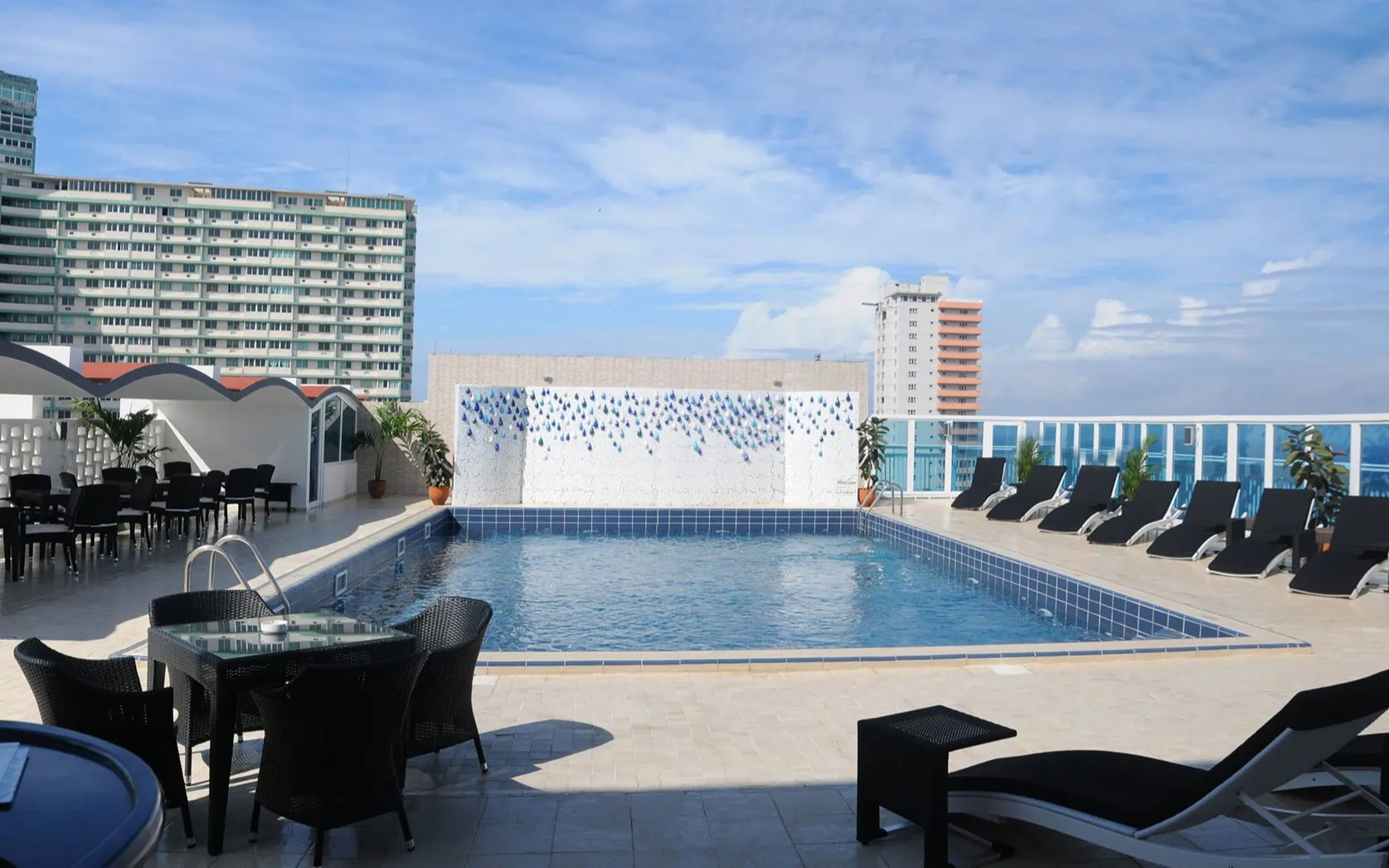
The Hotel Capri in Havana built its name on mob money, movie stars, and a rooftop pool that outlasted the mafia bosses who financed it. Today the hotel capri cuba story has a new twist: the property, listed as NH Capri, currently sits on the US government’s prohibited accommodations list. Here’s the history, the room-by-room detail, and the legal reality American travelers need before they even think about booking.
Our Rating
7.8/10
Location
9.5
Service
7.6
Cleanliness
7.2
Value for Money
6.8
Dining
8.0
In This Article
- Can Americans Legally Stay at the Hotel Capri in 2026?
- How the Hotel Capri Became Havana’s Most Notorious Mob Hotel
- Who Really Ran the Casino de Capri?
- From Nationalization to the 2026 NH Exit: A Timeline
- What the Hotel Capri Looked Like Inside (Room Types and Amenities)
- What Guests Actually Experienced Before the Property Closed to Americans
- The Capri on Screen: From Our Man in Havana to The Godfather Part II
- Traveling to Havana Legally: OFAC Categories, Cash, and Connectivity
- FAQ
- Where This Leaves Travelers Considering the Capri
Can Americans Legally Stay at the Hotel Capri in 2026?
No. As of the most recent update, NH Capri, the current name for the hotel capri cuba property, appears by name on the US State Department’s Cuba Prohibited Accommodations List. That means US persons cannot lodge, pay for lodging, or book a room there, even through a third-party site based outside the United States. This isn’t a soft advisory. It’s a hard rule tied to the Cuban Assets Control Regulations, and it applies regardless of which OFAC travel category you’re traveling under. Support for the Cuban People doesn’t override it. Neither does a journalist visa or a family visit license. The listing was confirmed in a Federal Register notice updating the prohibited accommodations list, and it’s the reason this article leads with compliance rather than a room tour. In my years reviewing Cuba hotels for US readers, I’ve watched the restricted list grow. The Capri’s addition is one of the more consequential changes for anyone chasing that mid-century mob history in person. So why write about a hotel Americans can’t book? Because the history matters, other travelers researching a capri hotel cuba trip need the current legal status before they plan around it, and because understanding how a place lands on this list tells you something about how Cuba’s hospitality sector actually works right now.How the Hotel Capri Became Havana’s Most Notorious Mob Hotel
The story starts with a law, not a hotel. In 1955, Cuban dictator Fulgencio Batista signed Hotel Law 2074, offering tax breaks, government-backed loans, and casino licenses to anyone willing to invest over a million dollars in a hotel or 200,000 dollars in a nightclub. That’s the setup. Now here’s the payoff. American organized crime figures had exactly that kind of cash, and Havana had exactly the kind of government willing to look the other way. The hotel capri havana was one of the first projects built specifically to cash in on the law. Architect Jose Canaves designed the building for the Canaves family, who owned the physical structure. It opened on November 27, 1957, nineteen stories and 250 rooms, with a rooftop swimming pool that would later show up in three different films. The building itself was part of a bigger plan. Urban planners under the Havana Plan Piloto, led by Catalan architect Josep Lluis Sert, were reshaping Vedado into a concentrated strip of modernist high-rises along the waterfront. The nh capri havana site sat right in the middle of that push, two blocks from the Hotel Nacional.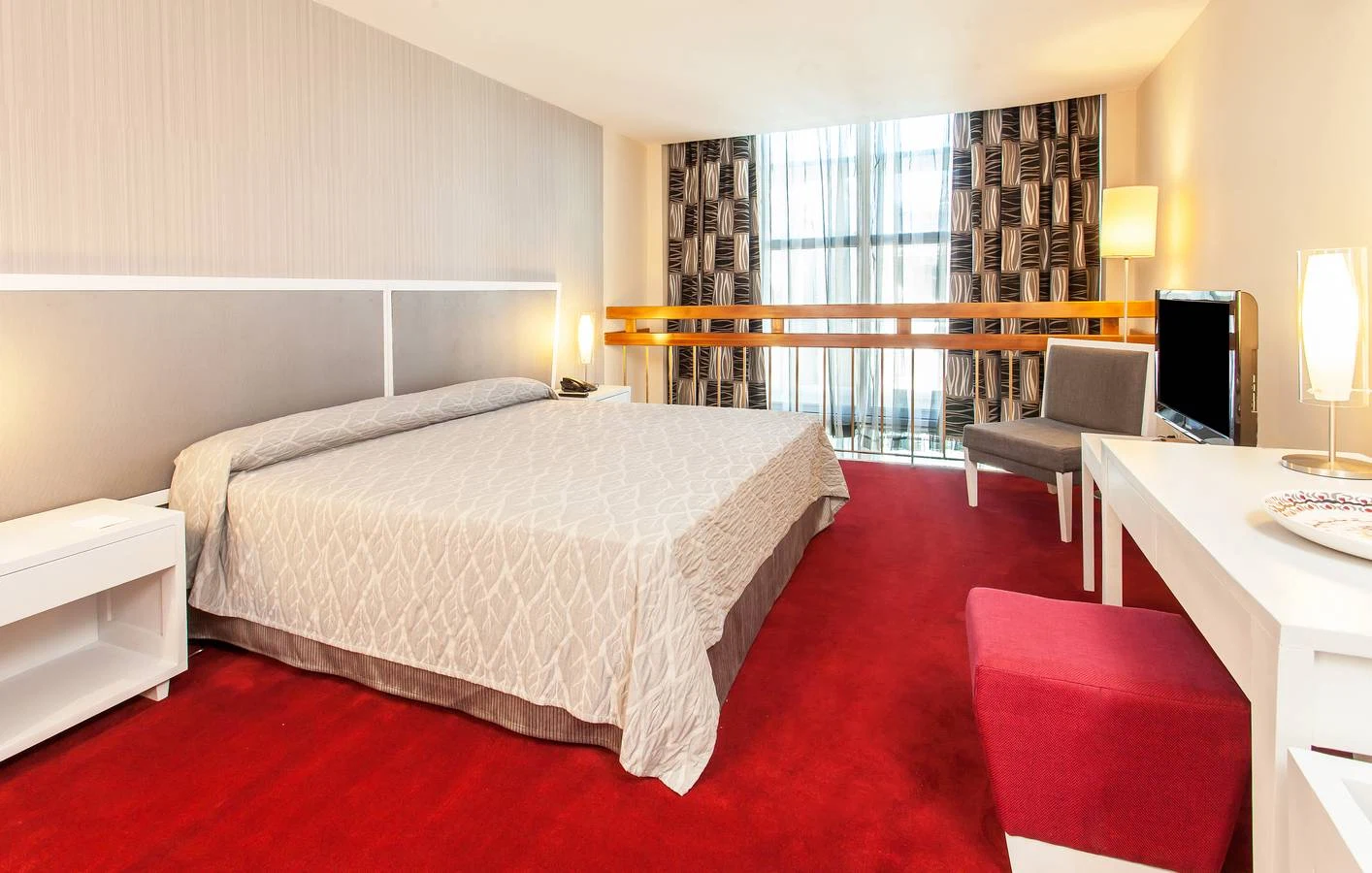
Who Really Ran the Casino de Capri?
On paper, the Canaves family owned the building. In practice, the five million dollars needed to build it moved through channels controlled by Santo Trafficante Jr, the Tampa crime boss who ran narcotics and gambling rackets across Florida and the Caribbean. Trafficante used Batista’s Hotel Law 2074 to secure the casino license, which gave him a legal front for laundering serious cash. But the capri havana operation needed daily managers too, and that’s where things get interesting.- Nicholas Di Costanzo, known as “The Fat Butcher,” ran the gambling floor day to day
- Charles Turin, alias “Charley the Blade,” managed the nightclub and entertainment side
- Santino Masselli of the Bronx, alias “Sonny the Butcher,” co-managed nightlife and local security
- Chicago gangster Irwin Weiner held a financial share in the slot and table profits
From Nationalization to the 2026 NH Exit: A Timeline
The good times ended fast. Batista fled Cuba in the early hours of January 1, 1959, hours after George Raft hosted the hotel’s New Year’s Eve gala. American tourism dried up almost overnight, and Skip Shepherd spent the next year covering costs for 200 revolutionary soldiers billeted at the hotel. But here’s the thing. The state took over completely. On October 24, 1960, the Cuban government nationalized the property under Resolution 3 of Law 851, part of a broader wave of seizures the Cuba Restricted List framework still references today when identifying military and state-controlled hospitality entities. The nh capri la habana name, formally Hotel NH Capri La Habana, dates to that 2014 reopening, a joint venture between Grupo Caribe and Spain’s NH Hotel Group. It ran for roughly a decade before NH pulled out, citing Cuba’s economic instability and the ongoing US blockade as the deciding factors. And it gets more complicated. The 2019 lawsuit, filed under the Libertad Act, argued that NH Hotels was profiting from a lease originally signed by Skip Shepherd back in 1956. The plaintiffs sought over two million dollars in trebled damages. That case is a separate legal thread from the current CPAL listing, but it shows how often this one building keeps ending up in US courtrooms.What the Hotel Capri Looked Like Inside (Room Types and Amenities)
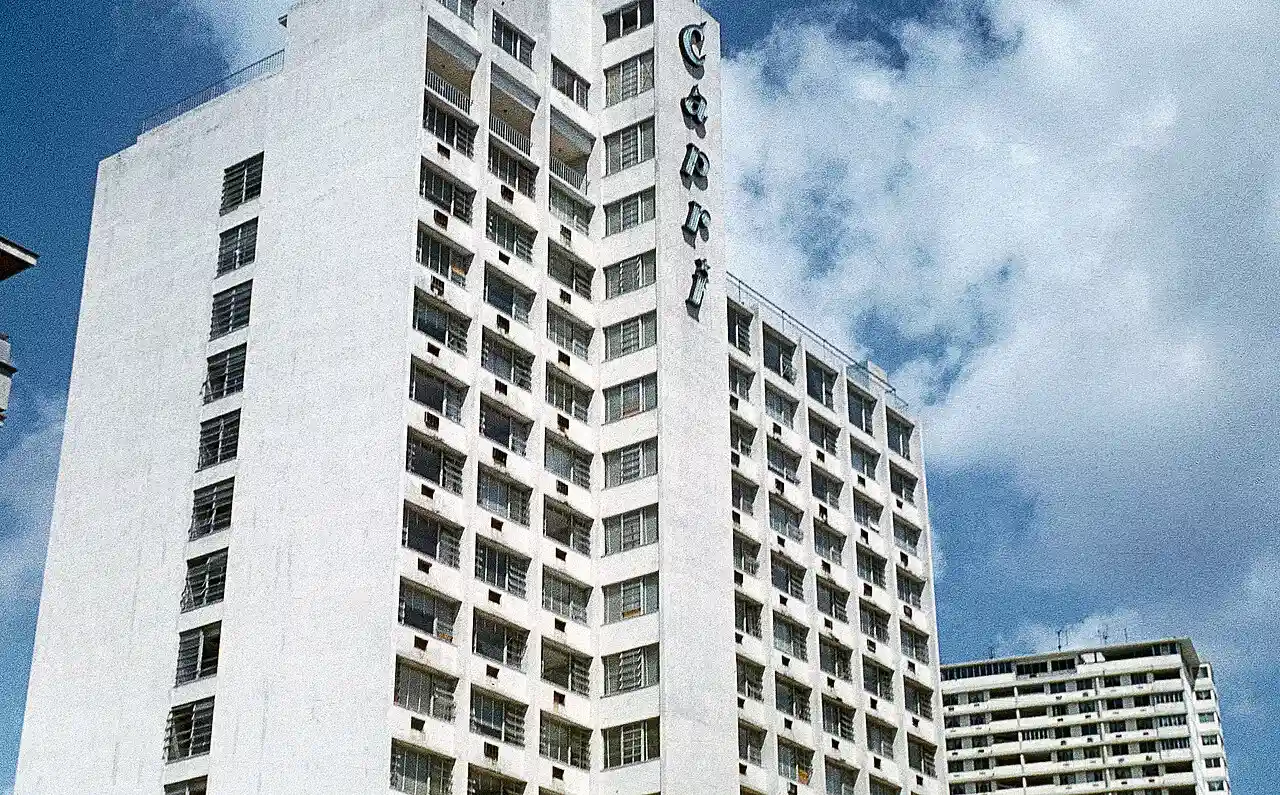
Before the 2026 exit, the hotel nh capri operated with 220 renovated rooms across six categories, down from the original 250. The 2012 to 2013 restoration under Grupo Caribe kept the art deco details intact: polished granite floors with bronze inlays, copper-colored chandeliers, and a geometric mural in the lobby.“The rooftop pool and the lobby floors are the two things that survived every era of this hotel, the mob years, the state years, and the joint venture years. That continuity is rare in Havana.” Gabriel Fountain, Senior Travel Correspondent, Cuba and Caribbean TravelRoom categories ranged from Standard, aimed at budget-conscious solo travelers, up through Duplex loft-style rooms for families and a top-tier Suite with private dining access to the rooftop La Florentina restaurant. A Junior Suite tier added acoustic soundproofing, which past guests specifically flagged as lacking in the lower categories. The property also included a business meeting room covering 72 square meters with capacity for 50 people, a gym facing the nearby Hotel Nacional, a sauna, and a Turkish bath. None of that matters for booking purposes right now, given the CPAL status, but it’s useful context if the compliance picture changes down the road.
What Guests Actually Experienced Before the Property Closed to Americans
Here’s the part most people miss. Glossy hotel capri habana descriptions rarely mention that the reviews told a rougher story. Guests consistently praised the staff, the breakfast buffet, and the central Vedado location. The complaints were just as consistent.- Long elevator waits, with one of three lifts often reserved for housekeeping
- Air conditioning that failed intermittently, especially in older rooms
- Bathroom flooding caused by shower drainage design flaws
- Loud street noise from a nearby outdoor music stage, audible late into the night
The Capri on Screen: From Our Man in Havana to The Godfather Part II
The hotel capri havana cuba has a longer film resume than most Havana landmarks. Carol Reed’s 1959 “Our Man in Havana” shot scenes around the rooftop pool while the hotel was still at its pre-revolutionary peak.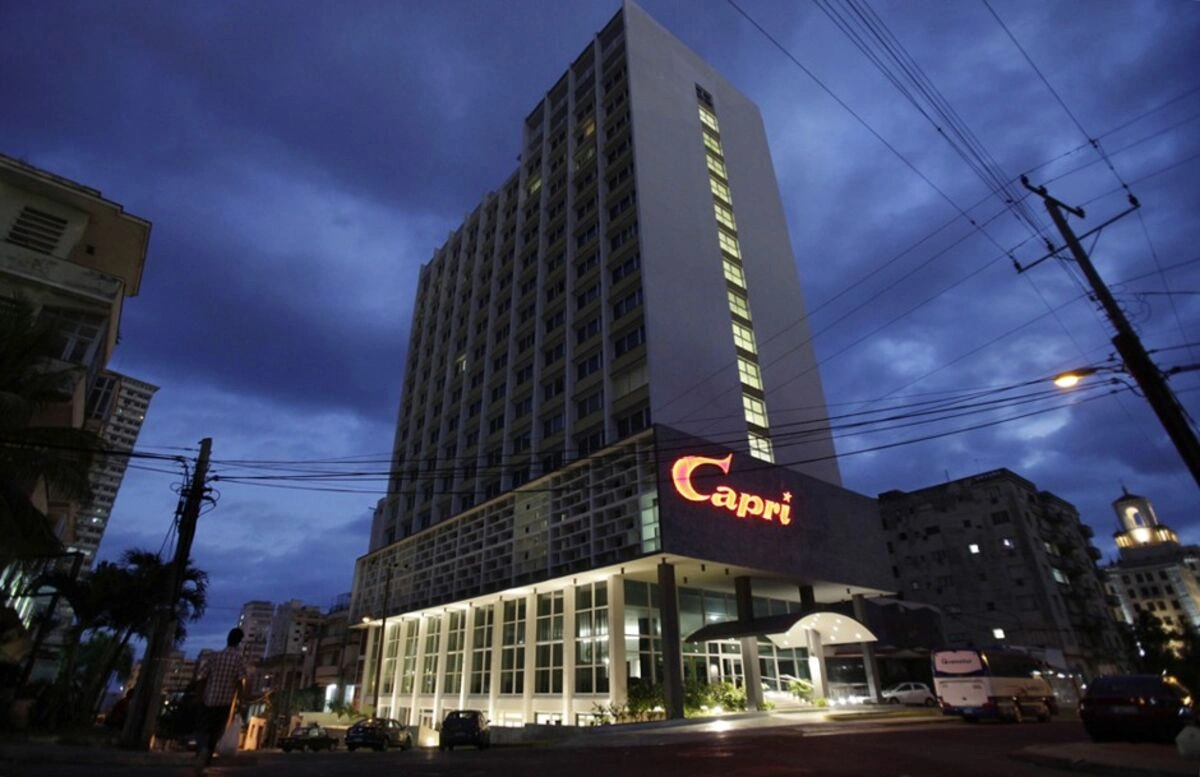
Traveling to Havana Legally: OFAC Categories, Cash, and Connectivity
Tourism to Cuba is prohibited for US citizens outright. Every legal trip has to fit one of twelve OFAC travel categories, and the nh capri hotel situation is a good reminder that picking the right category isn’t the only compliance box to check. So what does that actually mean for you? Where you stay matters just as much as why you’re traveling. Cuba currently sits at a Level 2 travel advisory, which flags both crime risk and an unreliable power grid. The US Embassy in Havana has also warned about extended power outages running up to 12 hours a day in some cases, so pack accordingly if you’re heading somewhere other than the Capri. Cash is still king. Bring euros or US dollars, expect to exchange at a CADECA, and don’t count on your US-issued cards working anywhere. Connectivity runs through Nauta cards for hotel wifi or public park hotspots. In my experience, buying a few Nauta cards at the airport saves a lot of frustration later.FAQ
Is the NH Capri Hotel Havana on the US prohibited accommodations list?
Yes. NH Capri appears by name on the State Department’s Cuba Prohibited Accommodations List, which means US persons cannot lodge there or pay for lodging there under any circumstances. This applies no matter which OFAC travel category you’re traveling under, and it applies regardless of which platform you use to book. The listing has been in place through the most recent 2025 update, and travelers should check the official list directly before assuming the status has changed.Can I book the NH Capri La Habana Cuba through a third-party site if I’m American?
No. The prohibition applies to the property itself, not the booking channel. Whether you use a US site, a European booking platform, or pay in cash on arrival, staying at a hotel on the prohibited list violates the Cuban Assets Control Regulations. Travel agencies and booking platforms are generally required to screen against this list, but the legal responsibility ultimately falls on the traveler. If you’re planning a trip built around Vedado’s hotel history, look at properties that aren’t on the current list instead.What happened to NH Capri hotel Havana management in 2026?
NH Hotel Group ended its management contract for the property in February 2026. The Spanish operator pointed to Cuba’s unstable economic situation, ongoing infrastructure failures, and the operational strain of the US blockade as the main reasons for the exit. The hotel remains under Cuban government ownership through Grupo Caribe, and it’s unclear at this point whether a new international operator will step in or whether the property will revert to fully state-run management.Is the NH Capri La Habana Cuba safe if I could legally stay there?
Setting the legal restriction aside, safety at the Capri historically tracked with broader conditions across Havana’s state-run hotel sector. Guests reported reasonable safety within the hotel itself, but flagged maintenance issues like broken air conditioning, elevator delays, and slippery bathroom floors. Cuba overall sits at a Level 2 travel advisory for petty crime and infrastructure strain, including frequent power outages, so those factors would apply to any Havana stay, not just this specific property.Where This Leaves Travelers Considering the Capri
The hotel capri cuba story is really two stories stitched together. One is a genuinely wild piece of mid-century history: mob financiers, a Hollywood front man, a nightly bagman collecting cash for a dictator’s wife, and a building that somehow survived nationalization, decay, and a Spanish-run revival. The other is a present-tense compliance problem. But there’s a catch. NH Capri’s spot on the prohibited accommodations list isn’t a technicality US travelers can plan around. It’s a legal line, and crossing it carries real risk regardless of how compelling the history is. The way I look at it, that split is actually useful. You can appreciate the Capri as a piece of Havana’s architectural and political history without needing to book a room there. And if you’re planning legal travel to Cuba under one of the OFAC categories, that same care about compliance, checking the current list, keeping your records, choosing properties that clear the bar, is exactly the mindset that keeps a legally complex destination accessible instead of risky.
Gabriel Fountain Senior Travel Correspondent — Cuba & Caribbean Travel | Licensed U.S.-Cuba Travel Consultant
Gabriel has been covering Cuba travel for U.S. audiences for over 8 years, having personally visited and reviewed more than 60 hotels across Havana, Varadero, Trinidad, and Cayo Coco. He specializes in helping American travelers navigate OFAC travel regulations, licensed categories, and payment restrictions — turning a legally complex destination into an accessible one. Before focusing on Cuba, Gabriel worked as a hospitality auditor for a U.S.-based travel agency, evaluating hotel standards across Latin America. His reviews combine on-the-ground experience with practical guidance on visas, currency exchange, and booking logistics specific to U.S. citizens. He has been featured as a Cuba travel expert on regional travel podcasts and contributes to several U.S. outlets covering Caribbean tourism.
Sources
- U.S. Department of State. “Cuba Prohibited Accommodations List.” State.gov, 2025.
- U.S. Department of State. “Updating Cuba Prohibited Accommodations List.” Federal Register, 2025.
- U.S. Department of State. “Cuba Travel Advisory.” Travel.state.gov, 2025.
- U.S. Embassy in Cuba. “Security Alert: U.S. Embassy Havana, Cuba.” Cu.usembassy.gov, 2026.
- U.S. Department of State. “Cuba Restricted List.” State.gov, 2025.
- U.S. Department of State. “Updating Cuba Restricted List.” Federal Register, 2025.