


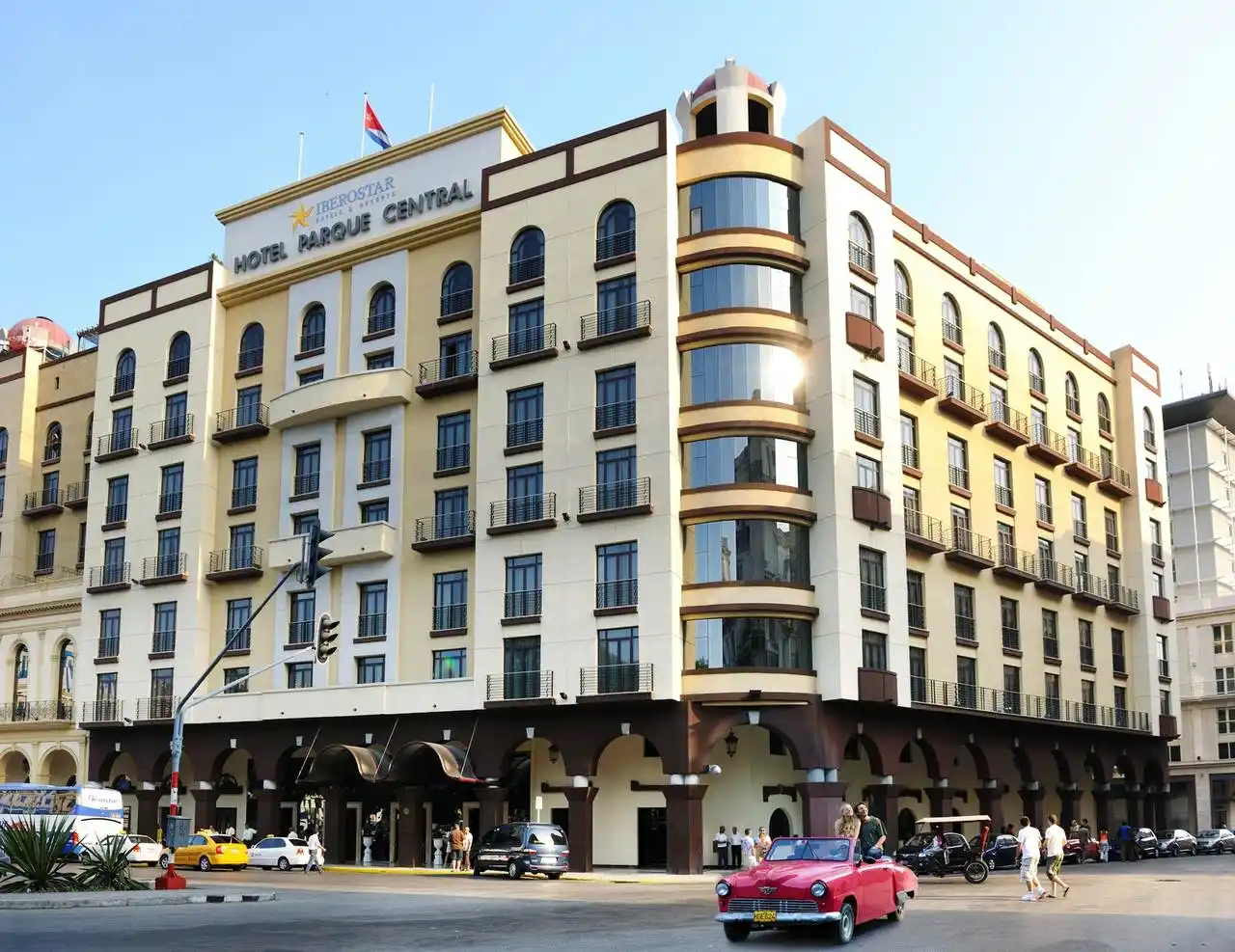
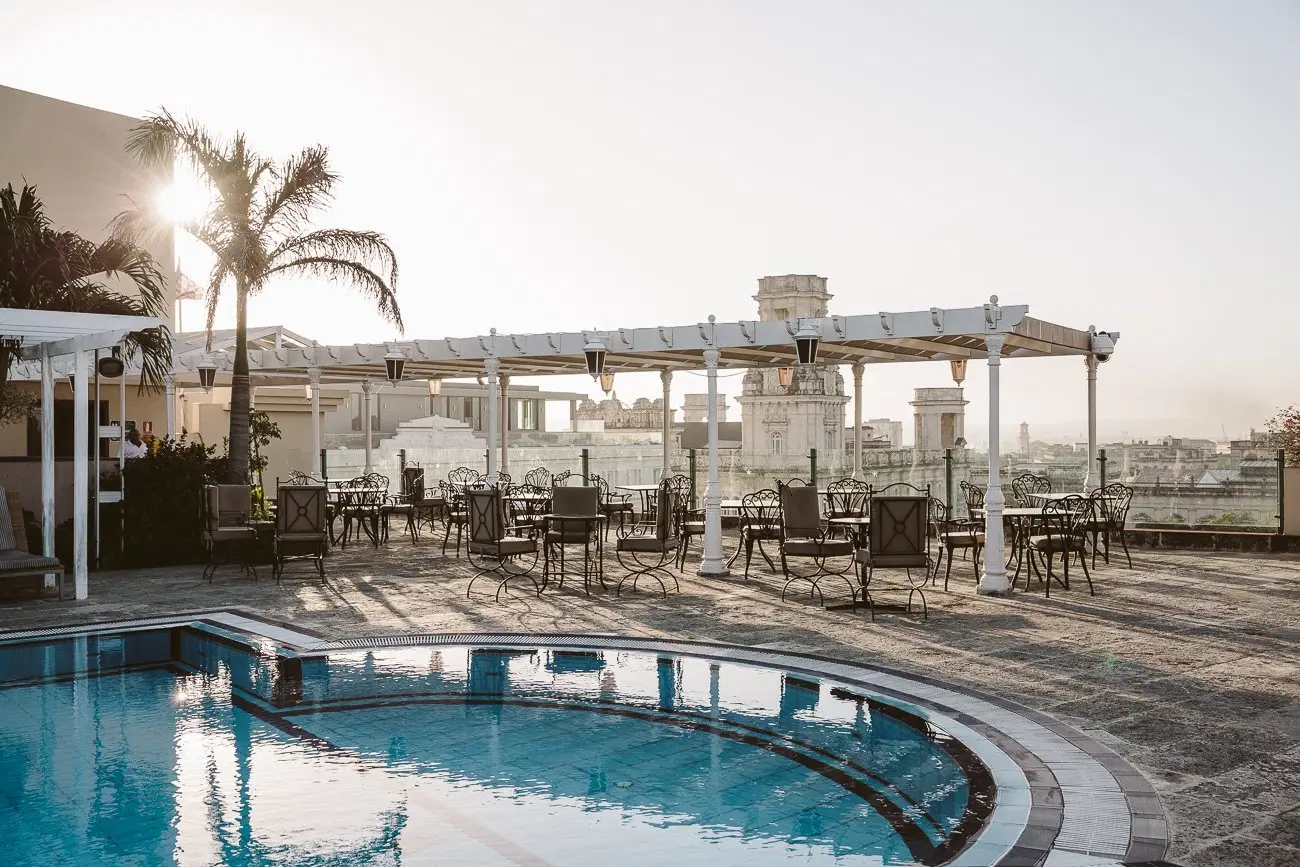
Iberostar Parque Central sits on Havana’s most historic square, has 427 rooms, a rooftop pool with views of El Capitolio, and a 4.5-star TripAdvisor rating. It’s also on the U.S. State Department’s Cuba Prohibited Accommodations List, which means American travelers cannot legally book or pay for a room there. Here’s what that means in practice, and what to do instead.
Our Rating
8.6/10
Location
9.5
Service
8.8
Cleanliness
8.6
Value for Money
7.8
Dining
8.5
In This Article
- Can Americans Even Book This Hotel?
- What Kind of Property Is Iberostar Parque Central Havana, Exactly?
- How Do You Actually Pay for Anything Here?
- Is the Wi-Fi Good Enough to Work Remotely?
- What Should You Expect From Power, Water, and A/C?
- Where Should You Actually Eat?
- Is the Staff Good, and Is the Area Safe?
- What’s Within Walking Distance, and What Will It Actually Cost You?
- Frequently Asked Questions
- Where This Leaves the Compliance-Conscious Traveler
Can Americans Even Book This Hotel?
No. Iberostar Parque Central is listed on the U.S. State Department’s Cuba Prohibited Accommodations List, and that means U.S. persons cannot lodge there or pay for lodging there, full stop. This is the reality every iberostar havana cuba search eventually runs into: the CPAL entry for parque central havana is unambiguous. It doesn’t matter if you book through a U.S. travel site, a Canadian OTA, or Iberostar directly. It doesn’t matter which of the 12 OFAC travel categories you’re traveling under. Here’s where it gets complicated for people who assume “Support for the Cuban People” covers everything. It doesn’t. The Treasury Department’s own guidance is direct on this point: general licenses, including the one most American travelers rely on, specifically exclude lodging at any property on this list, as required by federal regulation.“Persons subject to U.S. jurisdiction are prohibited from lodging, paying for lodging, or making any reservation for or on behalf of a third party to lodge, at any property in Cuba on the Cuba Prohibited Accommodations List.” U.S. Department of the Treasury, Office of Foreign Assets ControlSo what does that actually mean for you? In my consulting work, I tell clients to think of the CPAL as a hard wall, not a gray area. You can technically walk into the lobby, have a drink at the bar, or take photos of the rooftop pool as a day visitor, provided that fits within a compliant, full-time schedule of activities. What you cannot do is sleep there or hand over a credit card for a room, even indirectly through a tour package. There’s also a second, newer wrinkle worth flagging. Cuba overhauled its own entry system, and the paper tourist card most American travelers remember is gone. As of the current system, travelers apply for a digital e-Visa before departure and pair it with a D’Viajeros QR code at the border. That’s a separate requirement from your OFAC travel category, and you need both to legally enter the country in the first place, regardless of where you plan to stay near Parque Central Havana. Bottom line: this is not the hotel for a compliant U.S. trip, no matter how good the reviews look. Book a licensed casa particular or a private, non-state property instead, and keep records of your trip for five years in case OFAC ever asks for them.
What Kind of Property Is Iberostar Parque Central Havana, Exactly?
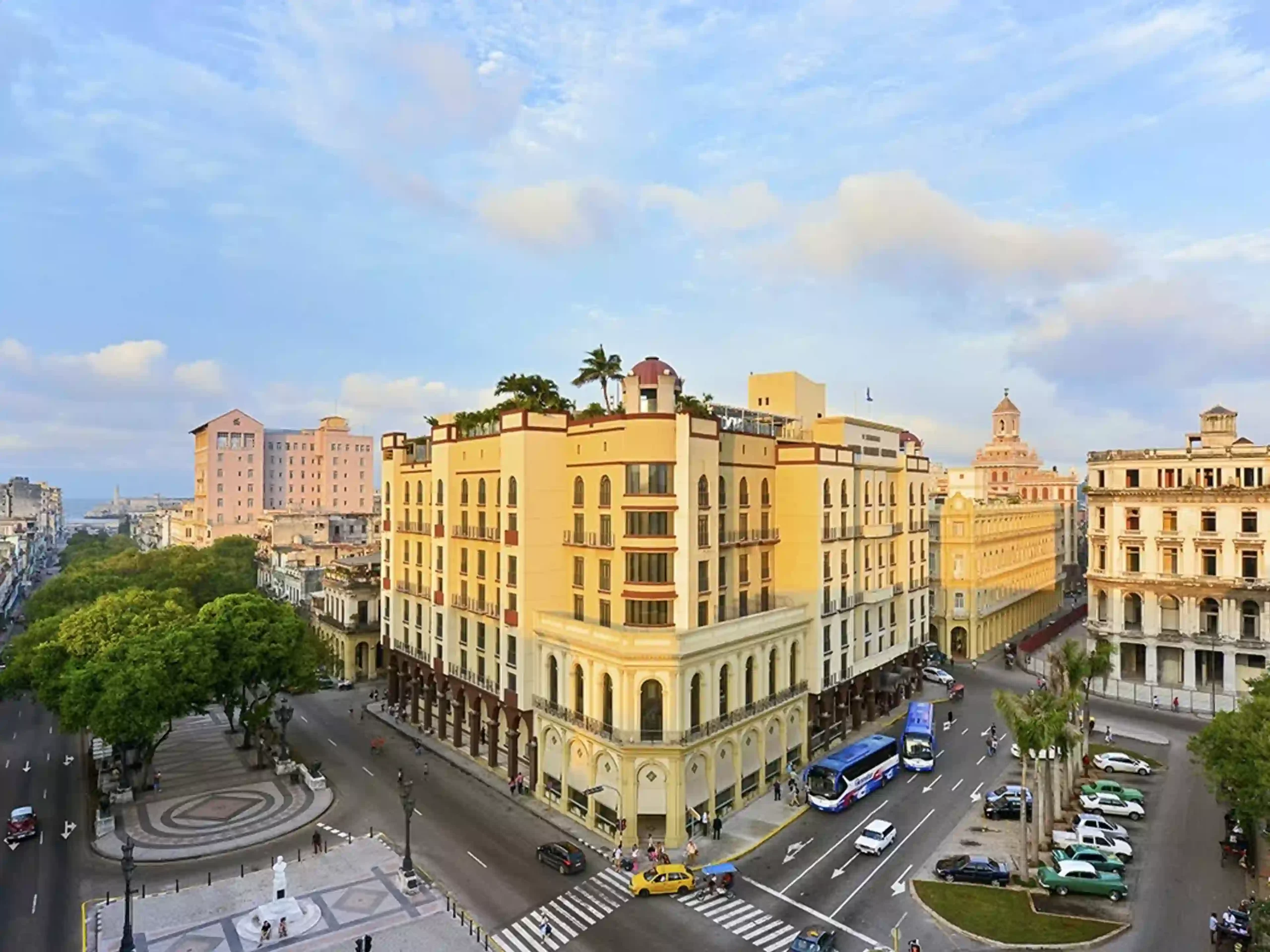
Setting the legal issue aside for a moment, since plenty of non-U.S. readers will book this hotel legally, it’s worth understanding what you’re looking at. Hotel Iberostar Parque Central is a 5-star property run by the Spanish hotel group Iberostar, spread across two connected buildings: an older Colonial wing and a newer Modern wing, joined by an internal passage. Between them, the hotel holds 427 rooms. The address puts it directly on Parque Central itself, in the heart of Havana Vieja, facing El Capitolio and the Gran Teatro de La Habana. That location is the single biggest selling point. You’re a few minutes’ walk from Old Havana’s cobblestone core, and the hotel doubles as a starting point for the classic-car tours that idle out front all day. Room types range from standard doubles to suites, with some units looking directly onto the park and the capitol dome and others facing internal courtyards or side streets. If you’re booking legally and want the view, ask specifically for a higher floor in the Colonial building. Past guests consistently describe those rooms as the better half of the property, both for the view and the character of the decor, even though the Modern wing tends to feel fresher. Beyond standard rooms, the property also lists bridal suites, non-smoking rooms, and connecting rooms for families or groups traveling together. That range matters if you’re comparing this property to smaller boutique hotels nearby, since few of them can match the sheer variety of room configurations across 427 keys. Décor leans classic colonial in the older wing: high ceilings, dark wood furniture, tile floors that show the building’s age. The newer wing trades some of that character for a more contemporary, business-hotel feel. Neither is objectively better, it really comes down to whether you’re chasing atmosphere or consistency.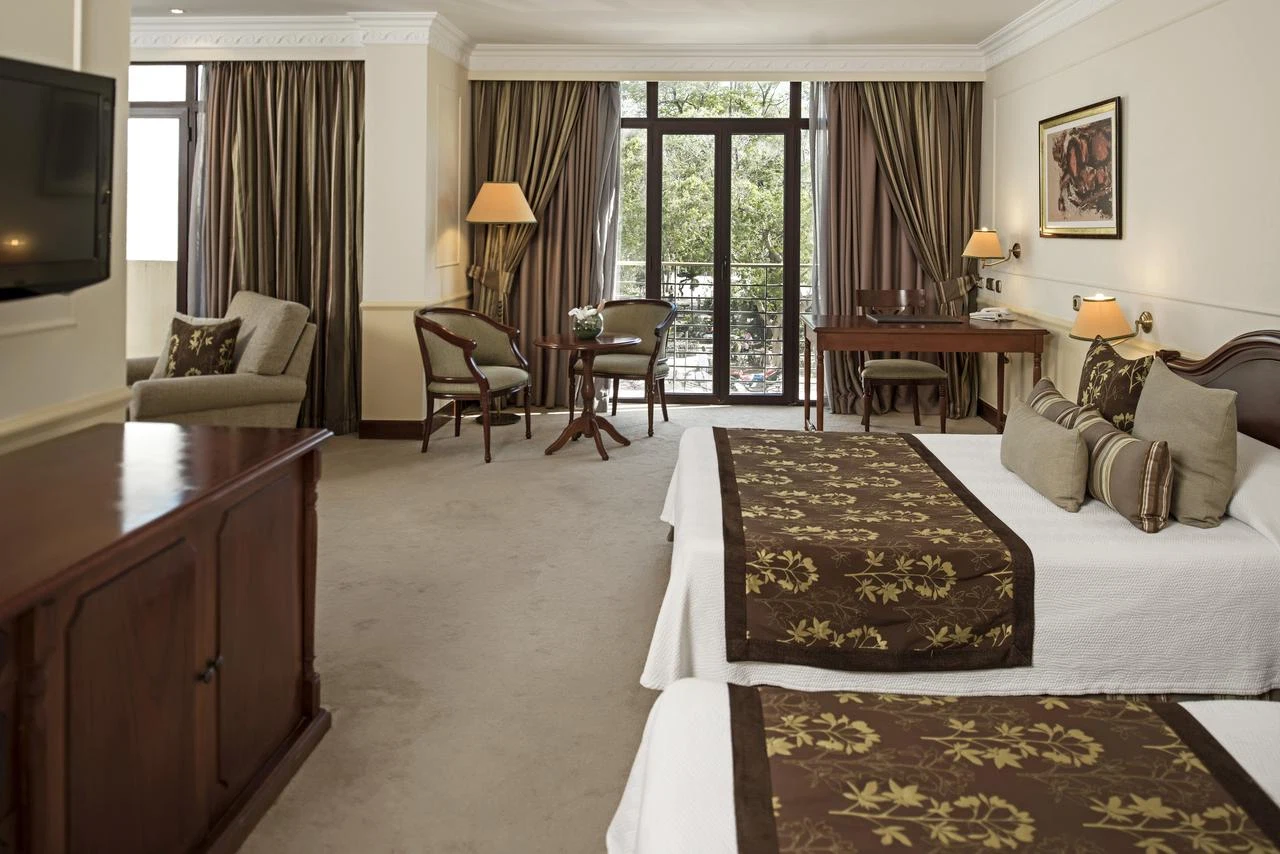
How Do You Actually Pay for Anything Here?
Cash still runs the show in Cuba, and this hotel is no exception. Non-U.S. Visa and Mastercard are generally accepted, but the machines aren’t always reliable. Guest reports over the years describe card terminals going down at checkout, which means you should plan to have cash on hand as a backup regardless of what card you’re carrying. Worth pausing on that for a second: iberostar cuba havana properties, this one included, typically offer currency exchange at the front desk, which saves you from the long lines at the airport CADECA counter. It’s a small convenience, but a real one if you’re arriving late and need cash immediately. A few practical notes on money at check-in and check-out:- Expect a card pre-authorization or cash deposit at check-in to cover incidentals like the minibar and room service
- Bring both USD and EUR if possible, since exchange rates and acceptance can shift
- Confirm your rate includes breakfast before you arrive, since some channels sell this hotel as room-only
Is the Wi-Fi Good Enough to Work Remotely?
Mostly yes, with some caveats depending on how you book. Recent guest reviews describe usable, reasonably reliable Wi-Fi in both rooms and public areas, a genuine step up from the paid, lobby-only access that used to be standard across Cuban hotels. For checking email, messaging, and light browsing, most travelers report few complaints. But there’s a catch. Some booking engines still list Wi-Fi as a paid, public-areas-only amenity, priced by the hour. Whether you get free in-room access or pay-as-you-go lobby Wi-Fi seems to depend on your booking channel and rate plan, not just the property itself. If reliable connectivity matters to your trip, confirm the Wi-Fi terms in writing before you book, rather than assuming. Speed itself isn’t advertised in specific numbers, and that’s typical for Cuba. Assume modest bandwidth, fine for basic tasks, not built for video calls or large uploads. If the hotel connection lets you down, ETECSA public hotspots exist around Parque Central itself and along the Malecón as a backup, though those require their own prepaid access card. For your phone specifically, don’t expect standard U.S. roaming to work smoothly, or cheaply, anywhere in Cuba. Most travelers pick up an ETECSA tourist SIM on arrival, or use an eSIM provider that explicitly lists Cuba coverage, then lean on the hotel’s Wi-Fi for anything data-heavy. Think of your SIM as the reliable fallback and hotel Wi-Fi as the convenient extra, not the other way around.What Should You Expect From Power, Water, and A/C?
Havana experiences rolling blackouts, and no hotel in the city is fully immune to that reality. That said, larger 5-star properties in the historic center, this one included, tend to be better resourced than smaller casas or state-run hotels, and recent reviews don’t describe extended in-hotel outages as a common complaint. Air conditioning gets consistently good marks. Guests specifically call out the units as quiet and effective for Cuba’s tropical climate, which matters more than it sounds like it should after a full day walking Old Havana in the heat. Hot water is the one area with mixed reports. Most guests describe it as reliable, but at least one recent review flagged lukewarm showers, worse in the evening than the morning. That’s a pattern common across Cuban hotels generally, tied to shared infrastructure rather than anything specific to this property. Tap water, as everywhere in Havana, should not be considered safe to drink; stick to bottled or properly filtered water for drinking, even though showering and brushing your teeth with tap water is standard practice. Outlets follow the standard Havana five-star setup: mostly 110V, 60Hz, U.S.-style plugs, occasionally paired with a dual-voltage or 220V socket for European appliances. North American travelers can usually plug in without an adapter. If you’re coming from Europe, pack a plug adapter, and check whether your device needs a voltage converter before you rely on it.Where Should You Actually Eat?
The hotel doesn’t skimp on dining options. Reports describe multiple restaurants and bars spread across the property, including a Cuban and Mediterranean buffet, a gourmet à la carte option, a steakhouse with an extensive wine list, and a rooftop tapas spot open into the early morning hours. For a Havana hotel, that’s an unusually deep lineup.- Buffet breakfast: widely praised in reviews as generous, though quality varies with what’s seasonally available in Cuba
- Steakhouse and gourmet dinner options: solid for special-occasion nights without leaving the property
- Rooftop bar: panoramic views over Centro Habana, open late
Is the Staff Good, and Is the Area Safe?
Staff quality is consistently the highest-rated part of the guest experience here. Reviews describe employees as attentive, warm, and proactive, with English, French, Spanish, and German spoken across the team. Even guests who complain about pricing or facilities tend to carve out an exception for the people working the front desk and bars. The neighborhood itself sits in the busiest, most heavily trafficked part of Old Havana, immediately around hotel parque central habana and the surrounding plazas. That visibility works in your favor. It’s widely considered one of the safer zones for tourists in the city, though the usual big-city advice still applies: watch your belongings, and avoid poorly lit side streets late at night. Cleanliness scores hold up well too, with guests describing rooms and public spaces as well maintained, occasionally noting light wear in high-traffic areas like the rooftop pool deck. Security is standard for a property of this size: 24-hour staffed reception, in-room safes, and no notable pattern of theft complaints in recent reviews. Noise is the one tradeoff of a park-facing room, since street traffic and classic cars pass by all day, though many rooms are soundproofed enough that guests report quiet nights regardless. One gap worth flagging: the hotel doesn’t advertise a complimentary airport shuttle. Getting there means a taxi, a classic car, or a coco-taxi, all readily available, or a concierge-arranged transfer if you’d rather book ahead. Some tour packages bundle airport transfers with the room rate, so it’s worth checking before you assume you’ll need to arrange your own ride from José Martí International.What’s Within Walking Distance, and What Will It Actually Cost You?
Almost everything worth seeing in Old Havana sits within a few minutes on foot. El Capitolio, the Gran Teatro, the Museo Nacional de Bellas Artes, and Paseo del Prado are all directly outside the door, and Calle Obispo, Havana Cathedral, and the Malecón waterfront are an easy stroll from hotel parque central havana’s front steps. Transport options right at the entrance include taxis, coco-taxis, horse-drawn carriages, and a hop-on hop-off bus stop across the street. Here’s the part most people miss when they compare a nightly rate to what they’ll actually spend. Cuba’s current travel advisory sits at a moderate Level 2, exercise increased caution, and beyond the room rate itself, a few add-on costs tend to surprise first-time visitors.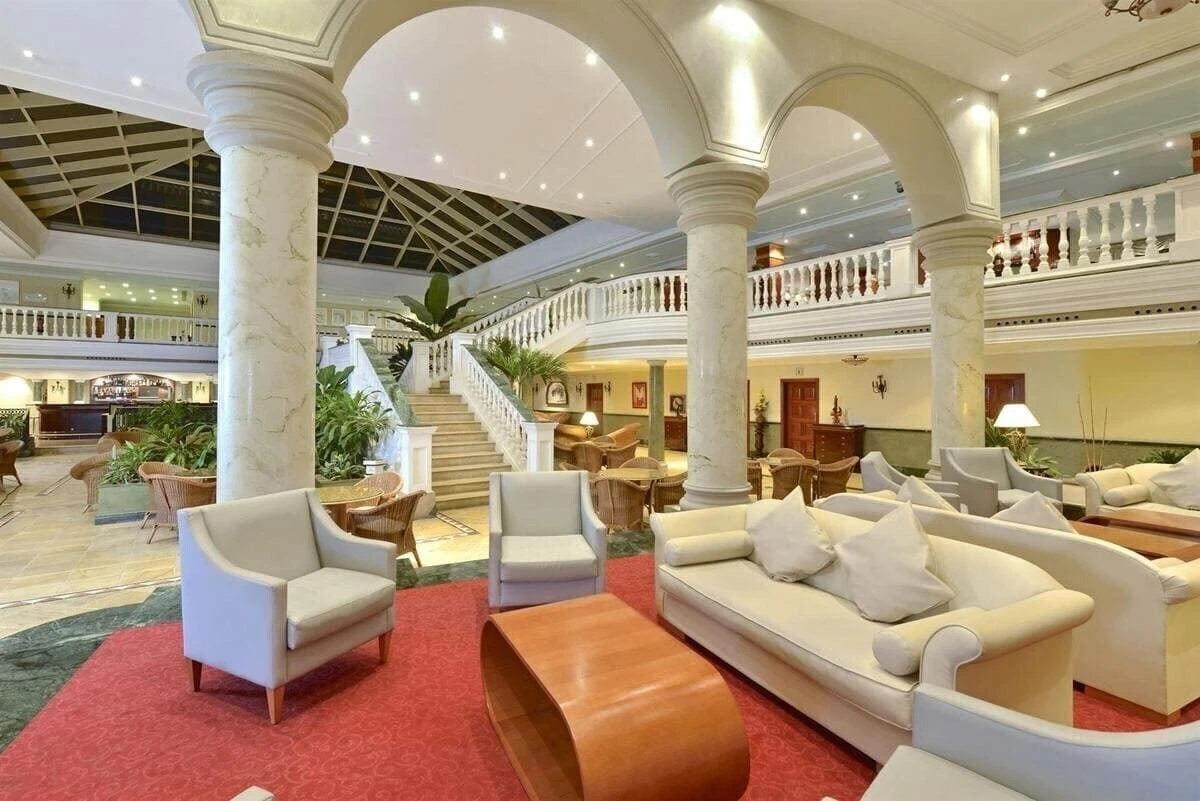
Frequently Asked Questions
Is it illegal for U.S. citizens to just visit the lobby or rooftop bar?
Visiting as a day guest, for a drink at the bar or a look at the rooftop pool, is a different question than lodging there, and it isn’t automatically prohibited. What matters is whether that visit fits inside a compliant, full-time schedule of activities under your chosen OFAC travel category. The specific prohibition targets lodging, paying for lodging, and reserving lodging on someone else’s behalf. If you’re unsure whether a short visit fits your itinerary’s compliance profile, it’s worth a quick conversation with a Cuba travel specialist before you go.What happens if a U.S. traveler books this hotel by accident through an OTA?
Third-party booking sites don’t always flag CPAL-listed properties clearly, and it’s genuinely easy to book one without realizing it. If that happens, the safest move is to cancel the reservation as soon as you catch the mistake and rebook at a private, non-state property instead. OFAC enforcement in practice tends to focus on patterns of noncompliance rather than a single corrected error, but you should still keep documentation showing you canceled and rebooked, since recordkeeping is part of what protects you if your trip is ever reviewed.Do I still need a Cuba Tourist Card in 2026, or has that changed?
The old paper tourist card is gone. Cuba has moved to a digital e-Visa system paired with a D’Viajeros QR code, and travelers need to apply and receive approval before departure rather than picking up a card at the airport counter. This is a separate requirement from your OFAC travel category paperwork, and airlines can deny boarding if you show up without it, so build in a week or more before your trip for processing.Where can I see real photos of the rooms and rooftop pool?
Guest-uploaded photo galleries on major review sites tend to give a more accurate picture than official hotel marketing, especially for room condition and the rooftop pool’s actual crowd levels at different times of day. Searching iberostar parque central photos on a travel review platform will surface recent guest photos alongside the professionally shot ones, which is useful if you want to see the Colonial wing’s older decor before deciding which building to request.Where This Leaves the Compliance-Conscious Traveler
The short answer? It depends entirely on your passport. For non-U.S. travelers, iberostar parque central havana is a genuinely strong pick: unbeatable location, a standout rooftop pool, attentive staff, and a breakfast buffet that consistently earns praise even by Cuba’s uneven supply standards. The room decor could use an update in places, and a few pricing practices, like the pool day pass for non-guests, feel steep by local standards, but none of that changes the overall picture for someone who’s free to book it. For U.S. travelers, the calculus is different, and no amount of rooftop-view photography changes the legal reality. If you’re still weighing a parque central hotel havana booking against a private alternative, remember that the legal line doesn’t bend for a nicer view. After reviewing more than 60 hotels across Havana, Varadero, Trinidad, and Cayo Coco, I can tell you the good news is that Havana has no shortage of licensed casas particulares and private, non-state properties within a few blocks of this exact same square, some of them just as polished, all of them fully compliant with a Support for the Cuban People itinerary. But the real question is this: is it worth the risk to your trip’s compliance for a nicer rooftop pool? Book Iberostar Parque Central for the memory of walking past it, not for the room key. Stay somewhere private, eat at the paladares clustered nearby, and you’ll get essentially the same Old Havana experience, the same proximity to El Capitolio and the Malecón, without putting your trip’s legal standing at risk. That’s a trade worth making, and it’s one every American traveler to Cuba eventually has to learn to see clearly.
Gabriel Fountain Senior Travel Correspondent — Cuba & Caribbean Travel | Licensed U.S.-Cuba Travel Consultant
Gabriel has been covering Cuba travel for U.S. audiences for over 8 years, having personally visited and reviewed more than 60 hotels across Havana, Varadero, Trinidad, and Cayo Coco. He specializes in helping American travelers navigate OFAC travel regulations, licensed categories, and payment restrictions — turning a legally complex destination into an accessible one. Before focusing on Cuba, Gabriel worked as a hospitality auditor for a U.S.-based travel agency, evaluating hotel standards across Latin America. His reviews combine on-the-ground experience with practical guidance on visas, currency exchange, and booking logistics specific to U.S. citizens. He has been featured as a Cuba travel expert on regional travel podcasts and contributes to several U.S. outlets covering Caribbean tourism.
Sources
- U.S. Department of State. “Cuba Prohibited Accommodations List.” State.gov, 2026.
- U.S. Department of the Treasury, OFAC. “FAQ 706: Cuba Prohibited Accommodations List Restrictions.” Treasury.gov, 2026.
- Electronic Code of Federal Regulations. “31 CFR 515.574: Support for the Cuban People.” eCFR.gov, 2026.
- ImmiAssist. “Cuba Visa for US Citizens: Your Essential 2026 Guide.” ImmiAssist.com, 2026.
- Hotel Havana Error. “Cuba Visa Guide 2026: Who Needs One and Exactly How to Get It.” HotelHavanaError.com, 2026.
- Cuban Insights. “Cuba Visa Requirements 2026.” CubanInsights.com, 2026.