


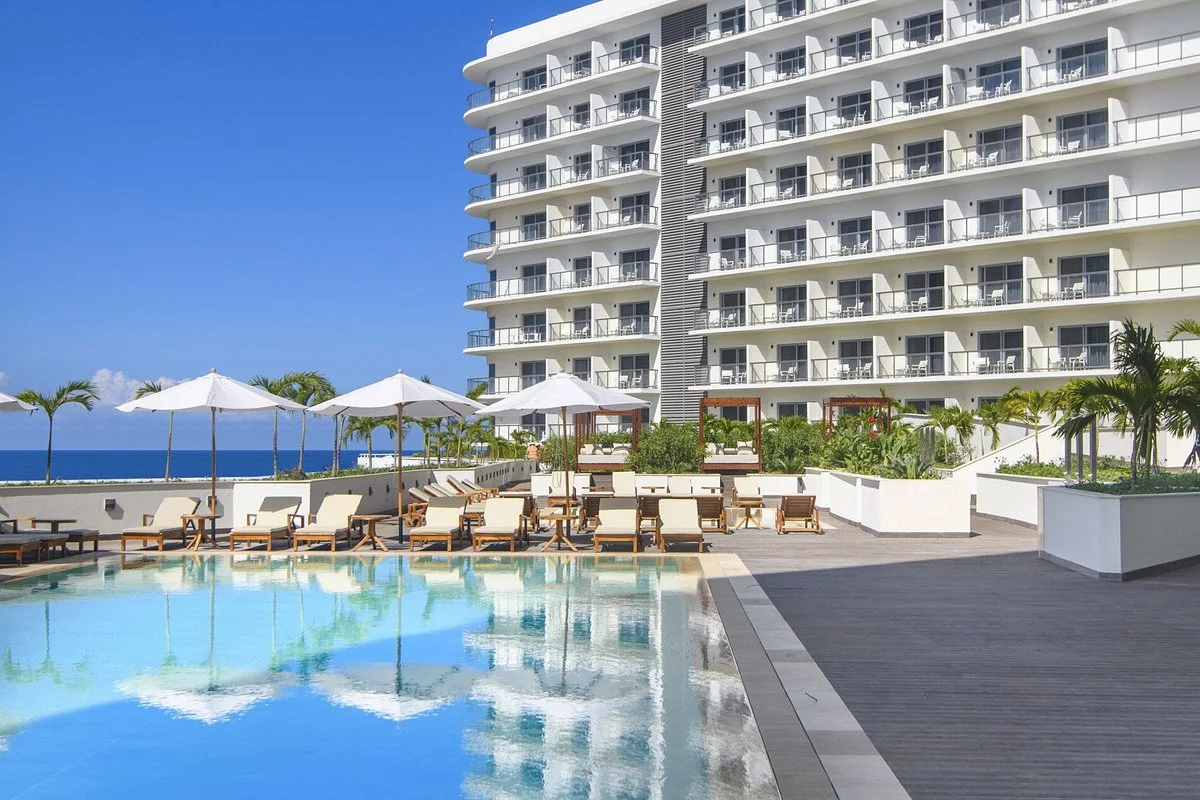
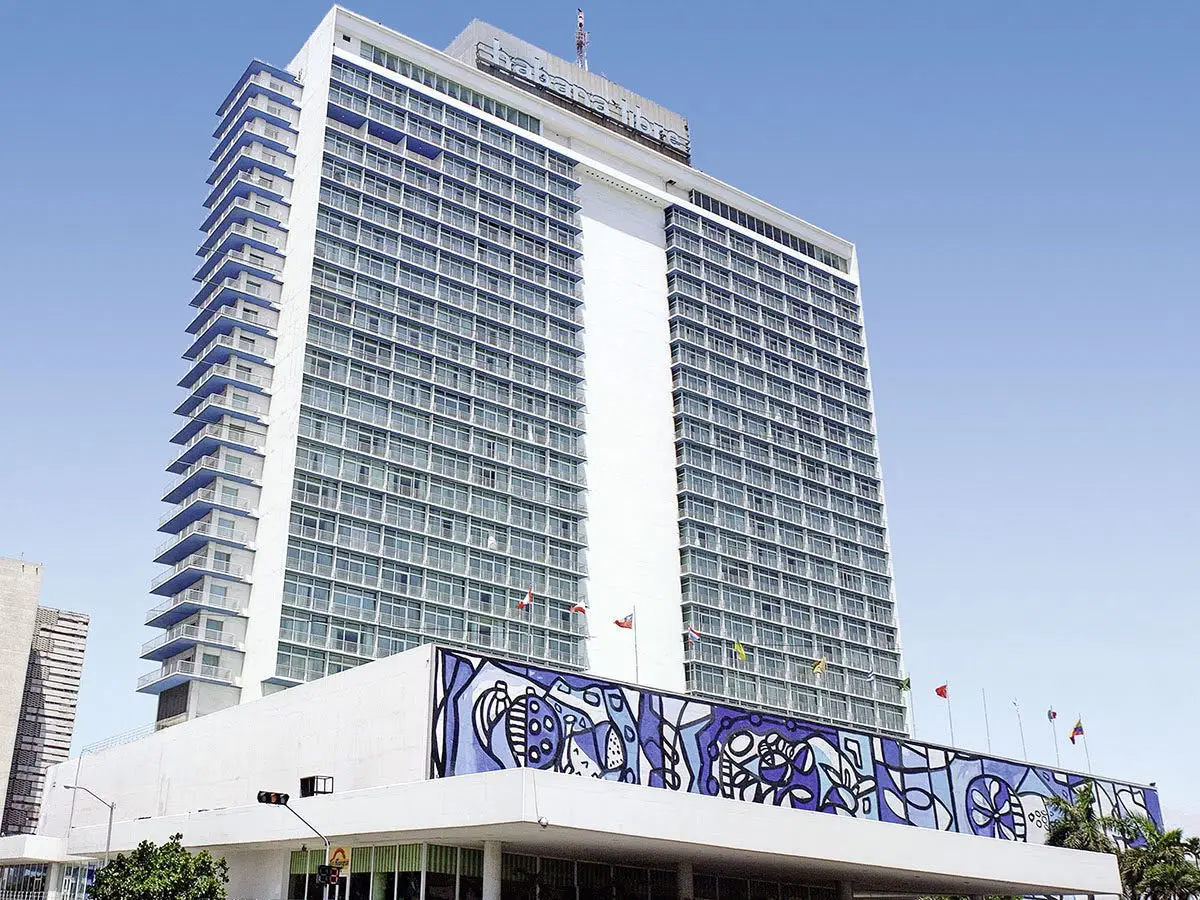
Hotel Habana Libre, the former Habana Hilton and now the Hotel Tryp Habana Libre, is one of Havana’s most recognizable buildings. It’s also on the U.S. State Department’s Cuba Prohibited Accommodations List, which means American travelers cannot legally book a room there under current federal rules, regardless of which OFAC travel category they’re using.
Our Rating
6.8/10
Location
9.3
Service
8.4
Cleanliness
4.2
Value for Money
5.0
Dining
7.0
In This Article
- Can Americans Legally Book the Hotel Habana Libre?
- From Habana Hilton to Habana Libre: A Hotel Built by Revolution
- What Payment Actually Looks Like on the Ground
- Room Types, Views, and What’s Actually Available Today
- Wi-Fi, Power, and Water: The Connectivity and Utilities Reality
- Dining, Service, and the Legendary Bars Worth Seeing Anyway
- Safety, Cleanliness, and the State of the Building in 2026
- Nearby Attractions and Getting Around Vedado
- Where This Leaves Would-Be Guests
Can Americans Legally Book the Hotel Habana Libre?
No. As of this writing, U.S. citizens cannot legally book a room at the Hotel Habana Libre, also known as the Hotel Tryp Habana Libre. The property is named on the State Department’s Cuba Prohibited Accommodations List, and staying there directly conflicts with every one of the 12 authorized OFAC travel categories that Americans use to visit Cuba legally. In my eight years covering Cuba travel for U.S. audiences, this is the single most common mistake I see. Travelers assume that as long as they’ve picked a valid OFAC category, like Support for the Cuban People, any hotel is fair game. It isn’t. The Cuban Assets Control Regulations bar direct financial transactions with entities tied to Cuba’s military, intelligence, or security services. That prohibition got reinstated and expanded through 2025, and the Federal Register notice on the list’s republication makes clear the State Department updates it regularly. Hotel Habana Libre, state-owned and Meliá-managed, falls squarely inside that net. So what does that actually mean for you? If you’re American and set on Havana, your legal path runs through casas particulares, or privately owned guesthouses, and paladares, the private restaurants that satisfy the Support for the Cuban People requirements. Booking a night at Habana Libre, even accidentally through a third-party site that doesn’t flag the restriction, puts your entire trip’s compliance at risk. Every other traveler, meaning non-U.S. citizens and residents, faces no such barrier. This hotel is fully bookable for Canadians, Europeans, and most other nationalities through Meliá’s own booking channels or major travel sites. You’ll also see the property listed under slightly different names depending on the site: Havana Libre Hotel, Hotel Habana Libre Cuba, or simply the Spanish spelling. The name on the listing doesn’t change the ownership problem underneath it.From Habana Hilton to Habana Libre: A Hotel Built by Revolution
This building opened on March 19, 1958 as the Habana Hilton, and the story of how it got built is almost stranger than what happened to it afterward. Cuban dictator Fulgencio Batista personally championed the project, but the money came from an unlikely place: the pension fund of Cuba’s own restaurant and hotel workers’ union. Architect Welton Becket, fresh off designing the Beverly Hilton in Los Angeles, teamed up with Havana architects Lin Arroyo and Gabriela Menéndez. The result was a 25-story tower with over 600 rooms, a casino, and a 500-car garage, built to be the tallest hotel in Latin America at the time. That version of the hotel lasted less than two years. When revolutionary forces took Havana in January 1959, Fidel Castro moved into the building’s upper floors and ran his government from Suite 2324, a room preserved today as a small historical exhibit. By mid-1960, the Cuban government had nationalized the property outright and renamed it Hotel Habana Libre, meaning Free Havana Hotel. The building kept making headlines through the decade. It hosted the 1966 Chess Olympiad, where American grandmaster Bobby Fischer played a tense, closely watched match against a Soviet-dominated field, and it briefly housed the first Soviet embassy in Cuba on two of its floors, according to the property’s documented history. In 1996, the Spanish hotel group Sol Meliá took over management and rebranded it Hotel Tryp Habana Libre, the name it still carries.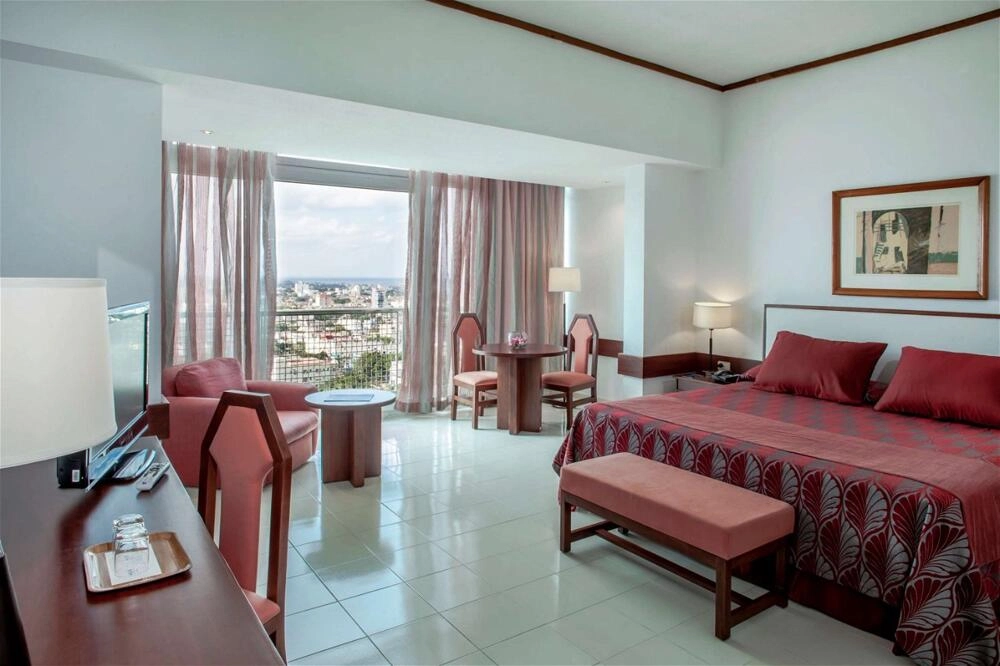
What Payment Actually Looks Like on the Ground
Cash rules everything in Cuba, and U.S.-issued cards are the biggest reason why. American banks can’t process transactions through Cuba’s financial system, so Visa or Mastercard from a U.S. bank simply won’t work at an ATM, hotel front desk, or restaurant anywhere on the island. That leaves cash exchange as the default. Official exchange houses, called CADECA, convert U.S. dollars, euros, or Canadian dollars into Cuban pesos at a government-set floating rate that adjusts periodically, and travelers can check current rates directly through Cadeca’s own site before they land. Here’s the part most people miss: USD conversions carry a steeper fee, typically around 8 percent, while euros and Canadian dollars get charged closer to 2 percent. Bringing euros instead of dollars, if that’s an option for you, quietly saves real money over a week-long trip. Bring more small bills than you think you’ll need. Cuban businesses run short on change constantly, and breaking a large note can turn a five-minute purchase into a twenty-minute negotiation.Room Types, Views, and What’s Actually Available Today
On paper, the Hotel Tryp Habana Libre offers a full spread of room categories: standard rooms, panoramic view rooms, premium guestrooms with executive lounge access, junior suites, and the preserved Castellana presidential suite. The building’s official capacity runs into the hundreds of rooms across 25 floors. But there’s a catch, and it’s a big one. More than ten of those floors are currently out of service, deteriorated to the point that management won’t put guests in them, which means bookable rooms cluster almost entirely on the upper-middle floors. Ask specifically which floor you’ll be on before you book, if you’re able to. Rooms on floors 17 through 24 are the ones most consistently in rotation, and that’s also roughly where the views actually start paying off.Wi-Fi, Power, and Water: The Connectivity and Utilities Reality
Wi-Fi at the Habana Libre is inconsistent, and multiple recent guest reports describe patches near the entrance where even a Cuban mobile data SIM won’t connect at all. Some international chain hotels in Havana now bundle Wi-Fi into the room rate, but reviewers of this property still describe needing separate Nauta access cards. Those cards come from ETECSA, Cuba’s sole telecom provider, and travelers can buy them at hotel front desks, ETECSA offices, or public hotspot parks for roughly a dollar or two per hour, based on current pricing guides for Cuba’s Wi-Fi system. Buy more than you think you’ll need. Running out at 9 p.m. with no ETECSA office open nearby is a common frustration. Power and water tell a similar story. Guests across 2025 and 2026 consistently report irregular hot water, air conditioning that cuts in and out, and occasional foul odors from bathroom drains tied to aging plumbing. And it gets more complicated. Cuba’s national grid experiences periodic blackouts independent of anything the hotel itself does, so pack a portable charger and don’t count on being able to charge devices around the clock.Dining, Service, and the Legendary Bars Worth Seeing Anyway
The hotel’s most famous restaurant, El Polinesio, opened in 1958 as a Trader Vic’s franchise and still has its original bamboo furniture, hand-carved totems, and tiki bar aesthetic fully intact. It’s one of the last unaltered mid-century tiki interiors anywhere in the hemisphere, and that’s not an exaggeration. Here’s where it gets complicated, though. A stairwell ceiling collapse years ago forced management to seal off the direct indoor entrance from the lobby, so reaching El Polinesio now means exiting the building and walking around to a rear door. Plenty of guests never realize the restaurant is still open. The 25th floor Turquino nightclub is the other standout, known for a retractable roof that opens straight to the night sky over Havana. It remains one of the city’s premier cabaret venues, cover charge and all.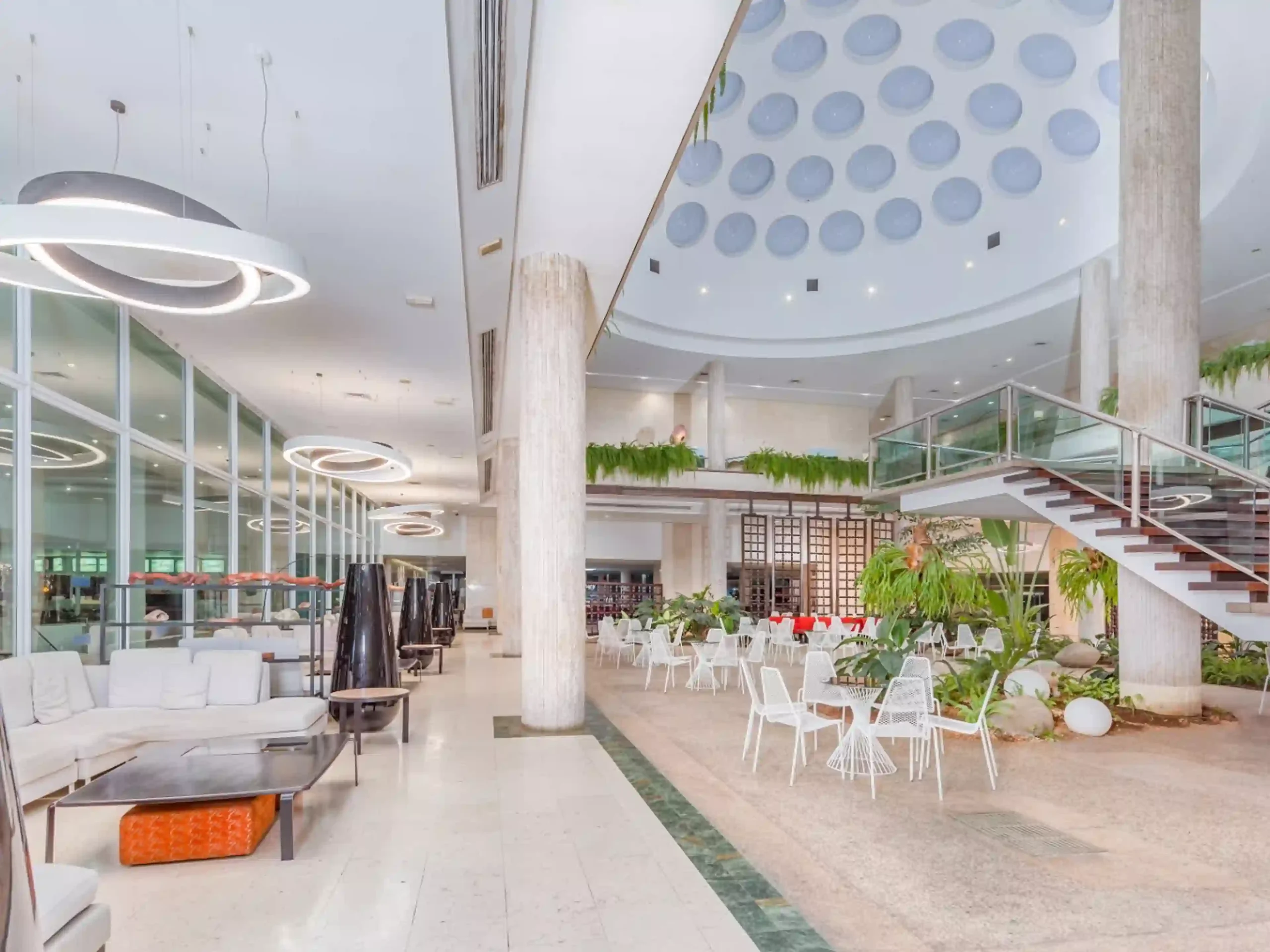
Safety, Cleanliness, and the State of the Building in 2026
The neighborhood around the hotel is generally safe by day and night, though the immediate entrance area attracts persistent street hustlers targeting tourists. Hotel security actively works to keep them clear of the doors, and most visitors describe the surrounding Vedado district as walkable after dark. The building itself is a different question. Recent regulatory inspections have flagged serious shortfalls, including nonfunctional fire extinguishers, and only two of the six original elevators remain reliably operational, with wait times reaching up to twenty minutes at busy hours.Guests describe peeling walls, stained carpets, and elevators that work only intermittently, with several 2025 and 2026 reviews calling the gap between the hotel’s five-star billing and its actual condition impossible to ignore. Aggregated guest reviews, Tripadvisor and Reserving.com, 2025 to 2026The short answer? It depends heavily on which floor and room you land on, but the overall pattern across recent guest reviews is consistent: dated infrastructure, occasional maintenance chaos, but no widespread reports of theft or violent crime tied to the property itself. Worth pausing on that for a second. A hotel can be physically decaying and still be reasonably safe from a crime standpoint, and that’s exactly the split guests report here.
Nearby Attractions and Getting Around Vedado
If you’re mapping out a Habana Libre Hotel Cuba itinerary, start right outside the front doors. The hotel sits at the corner of Calle 23 and Calle L, right at the start of La Rampa, one of Havana’s liveliest strips. Coppelia, the famous state-run ice cream park, sits directly across the street, and the University of Havana is a short walk uphill. The Malecón, Havana’s oceanfront promenade, is close enough to reach on foot in about fifteen minutes, and it’s one of the best sunset spots in the city. Old Havana and its colonial core sit roughly a twenty-minute drive or a longer, more scenic walk away. Classic American cars doubling as taxis are everywhere on La Rampa, and coco-taxis, the yellow three-wheeled scooters, offer a cheaper and faster option for short hops. Walking remains the best way to experience Vedado itself, since the neighborhood’s granite sidewalk mosaics and mid-century architecture reward a slow pace.Where This Leaves Would-Be Guests
Let me explain where all of this actually lands. Hotel Habana Libre is a genuinely remarkable building, packed with history that ranges from Batista-era ambition to Castro’s command post to a Cold War chess showdown that briefly overshadowed the ideological hostility of the era. But the real question is this: does that history matter if you legally can’t stay there? For American travelers, it doesn’t, at least not as a hotel option. The Prohibited Accommodations List makes this a hard stop, not a gray area worth arguing around. My advice after years of doing this professionally: treat Habana Libre as a landmark to see, not a hotel to book. Walk past the Peláez mural, glance up at where the neon sign used to be before it was removed in 2019, maybe grab a look inside El Polinesio if the rear entrance is open, then head to a licensed casa particular for the night that actually keeps your trip compliant. For non-U.S. travelers without that restriction, this remains a workable, centrally located hotel with real character, real problems, and staff who consistently punch above the building’s current condition. Just go in with your expectations calibrated to a five-star name attached to a three-star reality.Is the Hotel Habana Libre the same as the Habana Hilton?
Yes, it’s the same physical building under different names across different eras. It opened in 1958 as the Habana Hilton, was renamed Hotel Habana Libre after Cuba’s 1960 nationalization, and became Hotel Tryp Habana Libre in 1996 when Spain’s Sol Meliá took over management. Most locals and longtime visitors still refer to it simply as Habana Libre, regardless of the branding on the sign.Is the Hotel Habana Libre safe to walk to at night?
Generally, yes. The surrounding Vedado neighborhood is considered one of Havana’s safer, more walkable districts after dark, with a steady flow of pedestrians along La Rampa well into the evening. The main nuisance is street hustlers near the hotel entrance rather than any serious crime risk, and hotel security actively keeps that area monitored.Where can I see photos of the Hotel Tryp Habana Libre?
Meliá’s official booking pages carry current promotional photos of the property, though they tend to show its best-maintained angles rather than the closed floors or elevator issues guests report. For a more honest visual picture, recent Tripadvisor reviews often include guest-submitted photos of actual room conditions, hallway carpets, and the building’s exterior from street level.What should Americans book instead if this hotel is off-limits?
Casas particulares, meaning privately owned guesthouses, are the standard legal alternative and they also satisfy the Support for the Cuban People OFAC category most independent U.S. travelers rely on. Many are clustered in Vedado and Havana Vieja, within easy walking distance of the same attractions near Habana Libre. Booking platforms that clearly label Cuban listings as private accommodations make it straightforward to confirm a property isn’t state-owned before you pay.
Gabriel Fountain Senior Travel Correspondent — Cuba & Caribbean Travel | Licensed U.S.-Cuba Travel Consultant
Gabriel has been covering Cuba travel for U.S. audiences for over 8 years, having personally visited and reviewed more than 60 hotels across Havana, Varadero, Trinidad, and Cayo Coco. He specializes in helping American travelers navigate OFAC travel regulations, licensed categories, and payment restrictions — turning a legally complex destination into an accessible one. Before focusing on Cuba, Gabriel worked as a hospitality auditor for a U.S.-based travel agency, evaluating hotel standards across Latin America. His reviews combine on-the-ground experience with practical guidance on visas, currency exchange, and booking logistics specific to U.S. citizens. He has been featured as a Cuba travel expert on regional travel podcasts and contributes to several U.S. outlets covering Caribbean tourism.
Sources
- U.S. Department of State. “Cuba Prohibited Accommodations List.” State.gov, 2025.
- U.S. Department of State. “Cuba Restricted List.” State.gov, 2025.
- Federal Register. “Publishing the State Department’s List of Entities and Subentities Associated With Cuba.” Federalregister.gov, 2025.
- CADECA. “Official Cuban Currency Exchange.” Cadeca.cu, 2026.
- Wikipedia contributors. “Tryp Habana Libre.” Wikipedia, 2026.
- Cubas Best. “A Practical Guide to Public Wifi in Cuba.” Cubasbest.com, 2026.
- Tripadvisor. “Tryp Habana Libre Reviews.” Tripadvisor.com, 2026.